The Ultimate Guide to Scuba Diving Philippines
· Dive Destination · By Gee Orinday
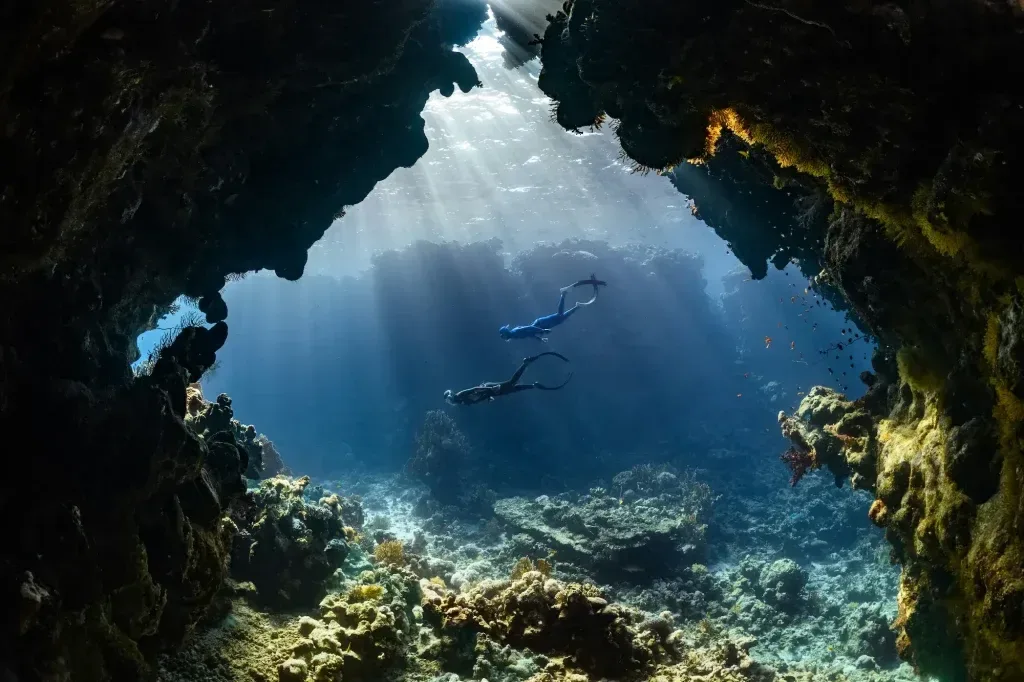
Are you a person who carries a true heart of adventure? Perhaps, travel is natural to you and you may have already stood on every peak and traversed every trail. But, there is one activity that can shape or re-shape your world and that is, scuba diving. If you think you have seen everything the earth has to offer from the ground, the underwater world is sure to give you a different, unique kind of experience.
Plunging into the watery depths to witness the beauty of marine animals and their ecosystems is certain to captivate your love for diving. It is a transformative experience that makes the familiar feel fresh and the unknown feel reachable. In the Philippines, an entirely new world is waiting to be unlocked for you. Here, the boundaries of travel are pushed farther than ever, discerning every dive like a secret door has finally been opened.
The Most Well-Known Dive Destinations in the Philippines
The Philippines is a massive playground for those who have a heart of adventure. With thousands of islands scattered across the Coral Triangle, it is no surprise that this country is the top choice for divers worldwide. From the deep shipwrecks of the north to the vibrant reefs of the south, each destination offers a unique window into the underwater world. Whether you want to see massive sharks or tiny colorful critters, these locations are the ones that have shaped the reputation of the Philippines as the ultimate diving frontier.
Tubbataha
Tubbataha Reefs Natural Park, a holy grail of Philippine diving, is a true bucket-list adventure. Accessible only by liveaboard from mid-March to mid-June in the Sulu Sea, divers are treated to massive coral walls and a rich marine ecosystem. It offers the rawest form of nature in the Philippines, with exciting encounters with marine life and a wonderful experience for every visitor.
What it’s most known for: This United Nations Educational, Scientific and Cultural Organization site is world famous for its massive schools of sharks, manta rays, and healthy coral reefs in the middle of the open ocean.
Dauin
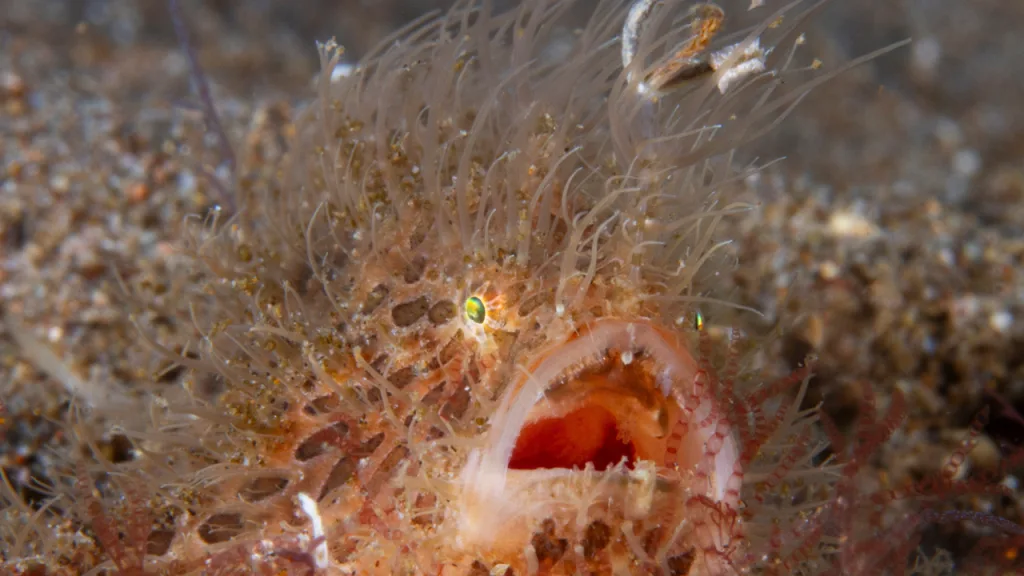
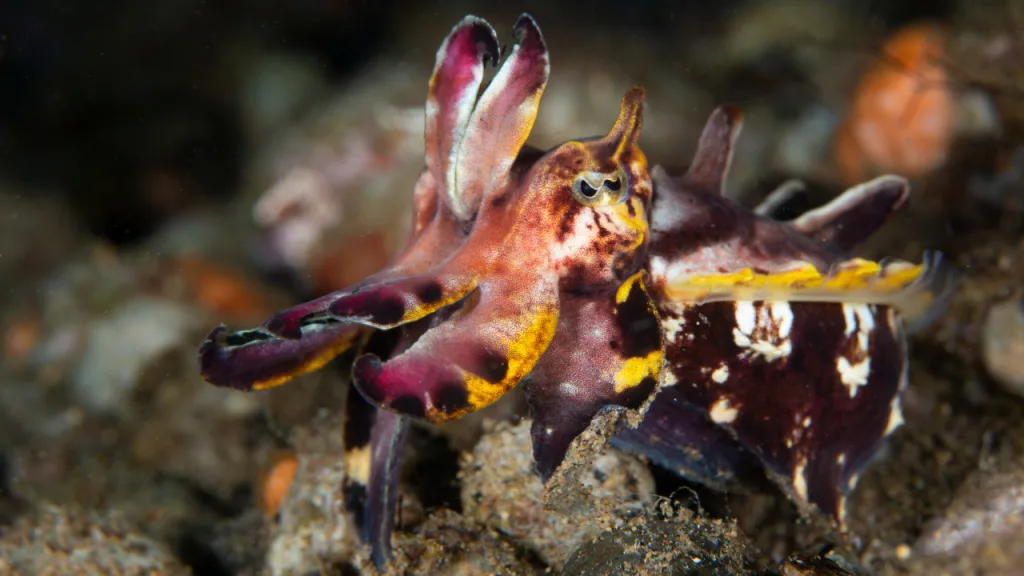
If you love the weird side of nature, the municipality of Dauin, just twenty kilometers from Dumaguete City, should be a top stop. It's the undisputed capital of muck diving in the country, and unofficial frogfish capital of the world. Instead of colorful reefs, you explore dark volcanic sand for creatures that look like they belong in a fairytale. This slow, rewarding type of diving forces you to look closer. Every dive is a treasure hunt for the sea's most elusive and strange animals.
What it’s most known for: Dauin is legendary for its rare macro life including flamboyant cuttlefish, frogfish, and several species of mimic octopuses. For a break from macro and muck diving, the beautiful reefs of Apo Island are just off shore.
Coron
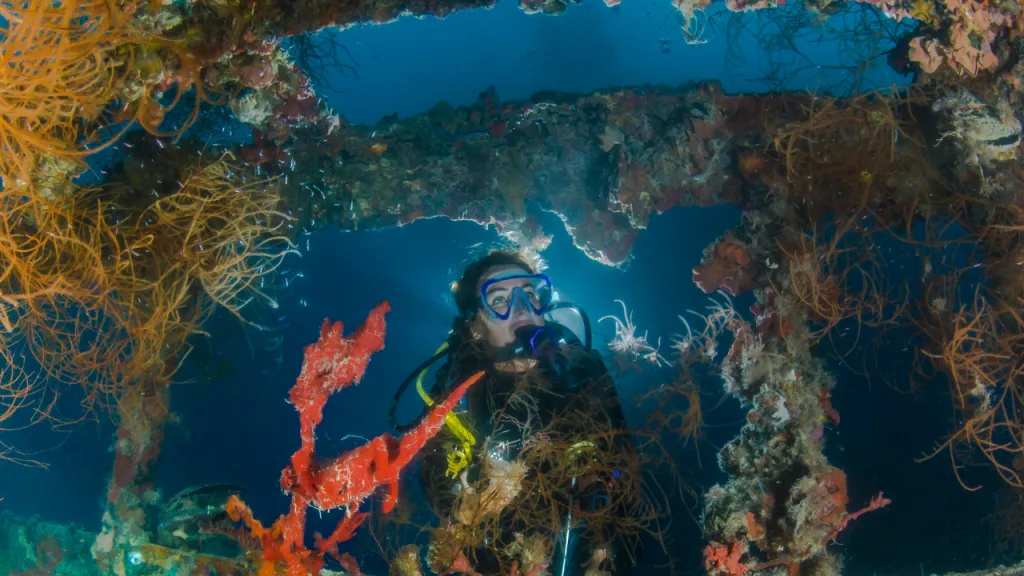
If you're seeking a cinematic adventure, Coron in Palawan is the place. It's well-known for dramatic underwater landscapes and massive sunken vessels now part of the ocean floor. Diving here means navigating towering steel structures and cavernous, life-covered interiors, an exploration of a hidden world full of the unexpected. Fun fact: these wrecks are actually a fleet from World War II reclaimed by the sea.
What it’s most known for: Coron is celebrated for its massive, atmospheric shipwreck exploration and breathtaking limestone lake diving adventures.
El Nido
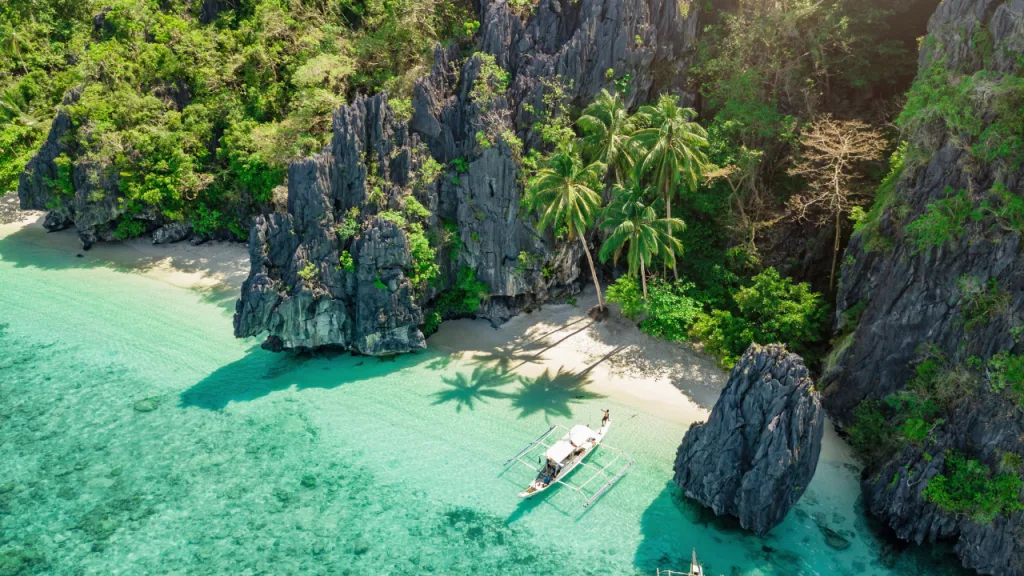
El Nido, also in Palawan, is often called the most beautiful place in the world and the scenery beneath the waves matches the limestone cliffs above. Diving here is diverse, featuring everything from limestone tunnels to gentle sloping reefs. It is the perfect place where you can combine world-class diving with relaxing on the best beaches on the planet. The crystal-clear waters and the dramatic rock formations make every dive seem like you are exploring a hidden tropical paradise.
What it’s most known for: El Nido is illustrious for its strikingly theatrical limestone underwater topography and frequent sea turtle encounters.
Boracay
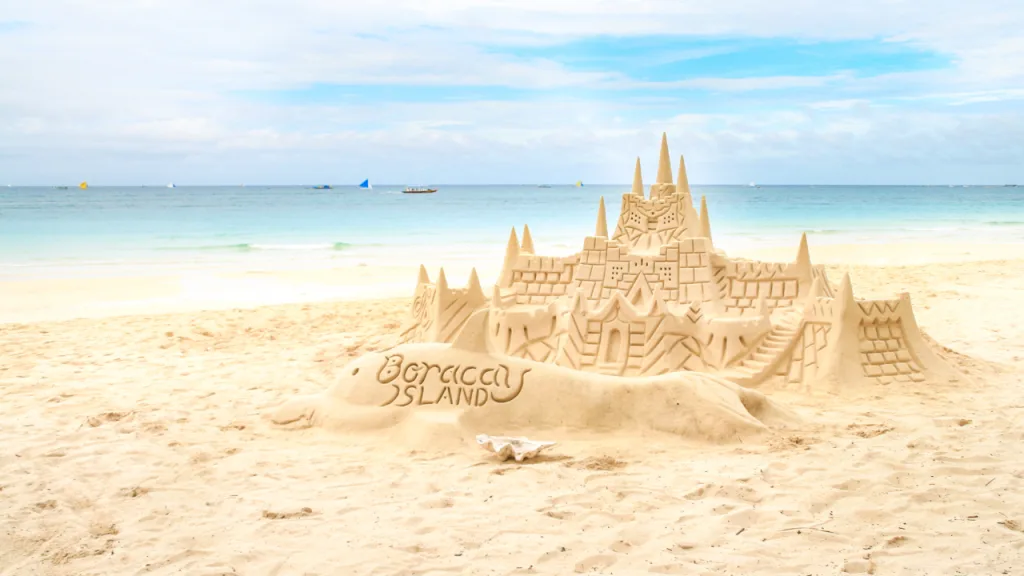
While Boracay, an island located on the western side of Visayas, is famous for its white sand, its underwater world is a hidden gem. The diving is surprisingly varied, featuring deep walls for pros and calm coral gardens for beginners. It's a great place to combine a luxury vacation with a touch of nature. Take a morning plunge into the deep blue and be back on the beach in time to enjoy the island breeze and a sunset drink with your toes in the sand.
What it’s most known for: Boracay is known for deep wall diving at Yapak and thriving soft coral gardens in its warm waters.
Moalboal
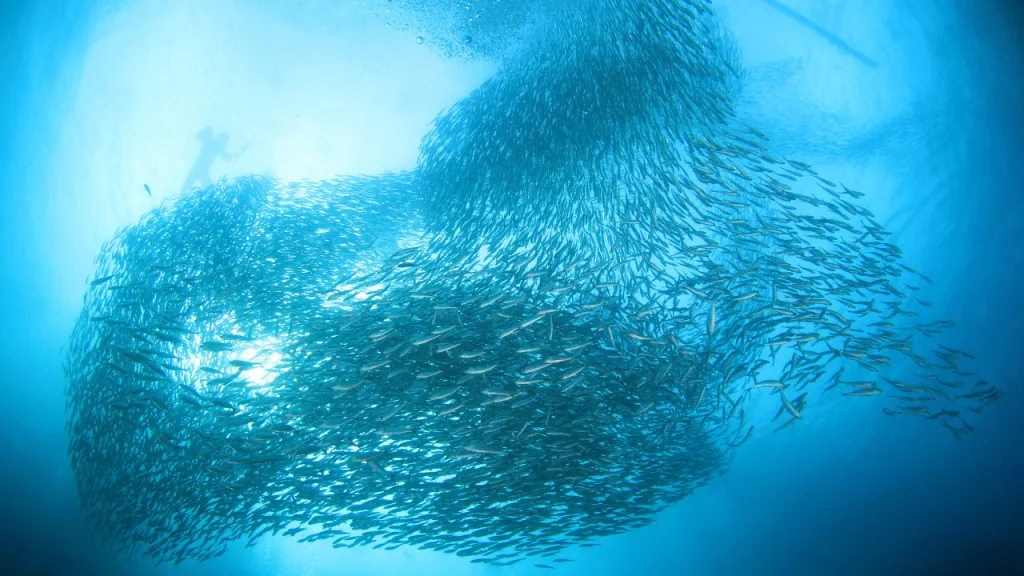
Moalboal, located at the southwest tip of Cebu, is a one-of-a-kind adventure. Just a few meters from the shore, the reef drops into a massive wall where millions of sardines hang out in giant clouds. Swimming through this sardine run is an experience that will captivate your love for diving. The way they move in a pulsing silver wave to avoid predators is one of the most incredible sights in the natural world. It is a completely immersive experience that is perceived as a dream.
What it’s most known for: Moalboal is globally famous for the legendary sardine run and the sea turtles living along its shallow shores.
Malapascua
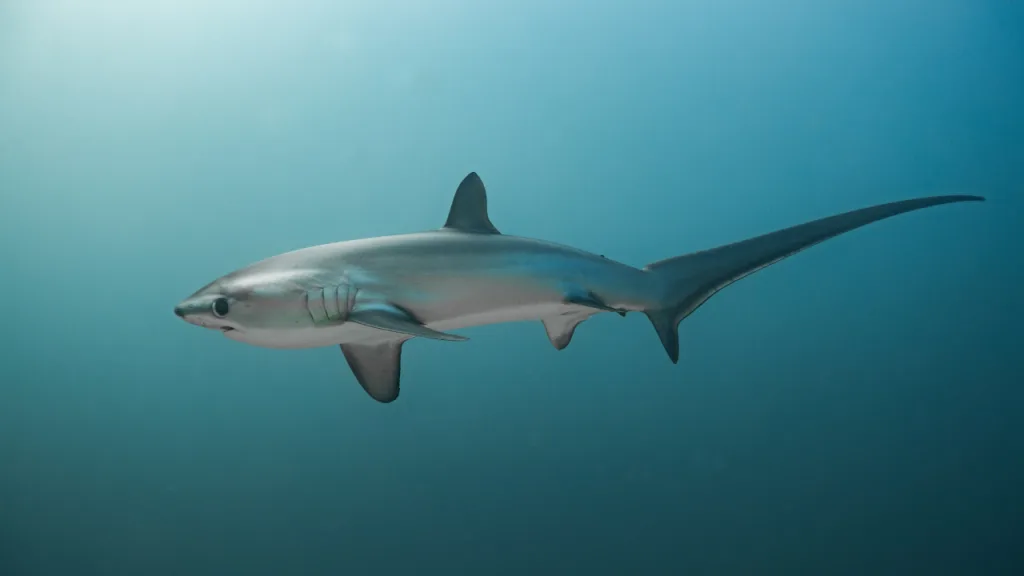
Malapascua is a tiny island located at the northern tip of Cebu, renowned as the only place on earth where you can reliably see thresher sharks almost every day. The adventure begins before dawn with a boat trip to Monad Shoal just 45 minutes from the shore. As the sun rises, these elegant sharks, with their long, whip-like tails, emerge from the deep. It is a mystical experience, feeling like you've unlocked a secret door to the ocean’s most elegant inhabitants.
What it’s most known for: Malapascua is the only destination famous for its daily sunrise encounters with rare and majestic thresher sharks.
Siquijor
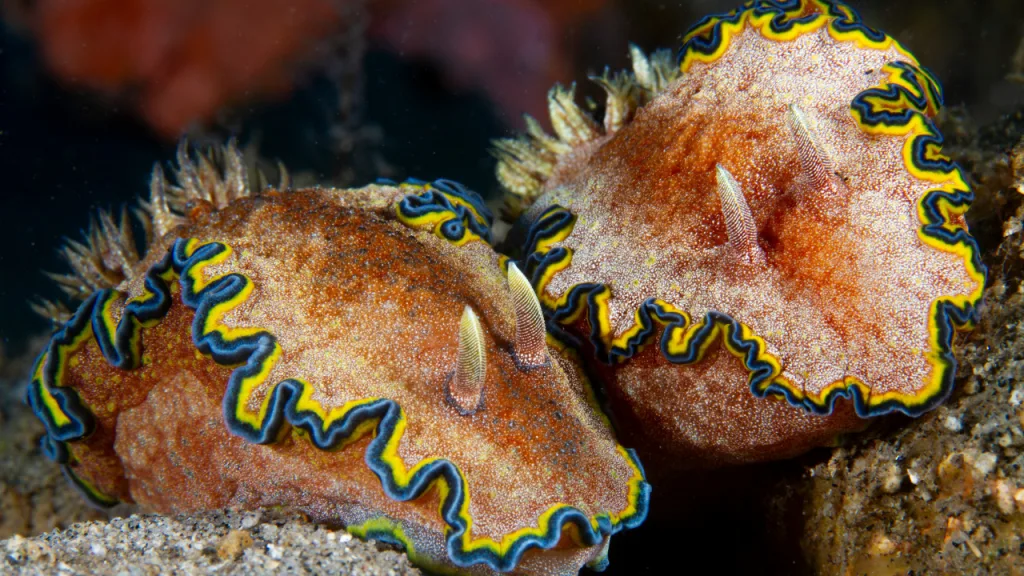
Siquijor, known as the Island of Fire, offers diving as enigmatic as its culture. Marine sanctuaries ring the island, providing pristine coral walls and a peaceful atmosphere. Far from crowded spots, you often have the reefs to yourself, connecting with nature and the quiet beauty underwater. The exceptional clarity makes every dive seem like a fairytale.
What it’s most known for: Siquijor is most recognized for its vibrant coral walls and incredibly peaceful marine sanctuaries that are totally off the grid.
Panglao
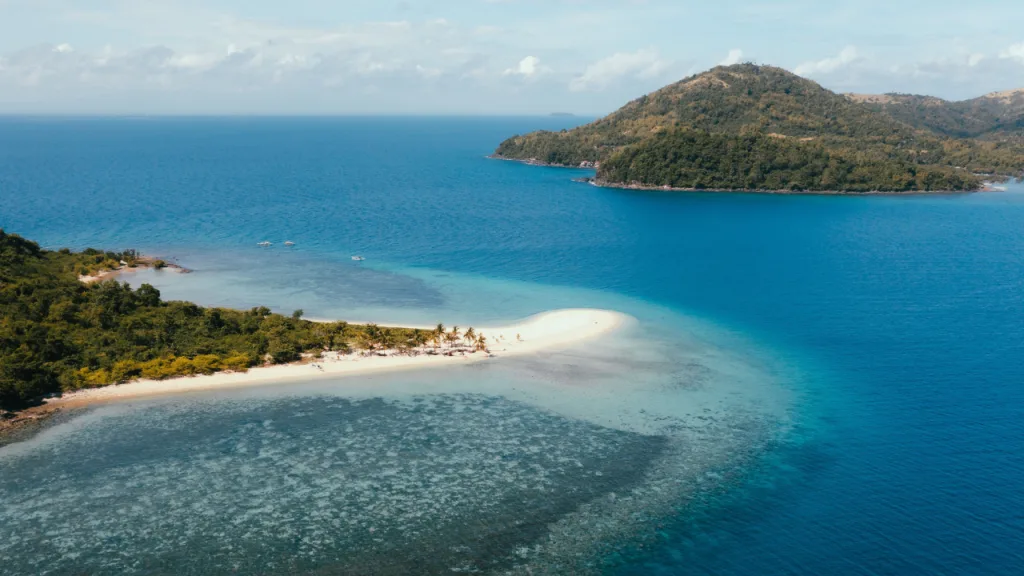
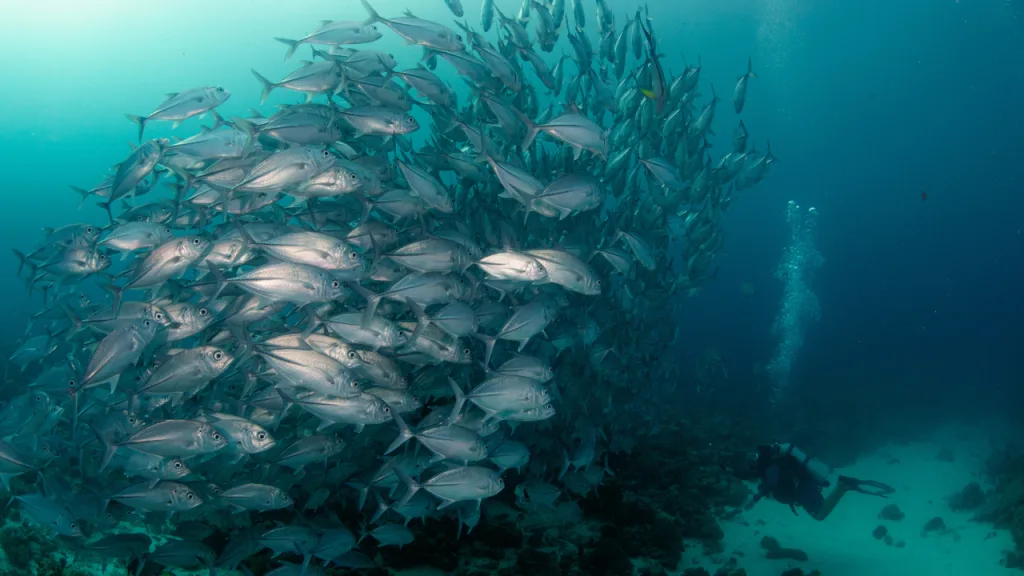
Panglao in Bohol, a province in the Visayas, is a diver’s dream because everything is easy to access. Famous for nearby Balicasag Island, this protected sanctuary is teeming with life. Expect to see huge schools of jacks and barracudas that circle like a silver tornado. The reefs are healthy and visibility is usually fantastic. It is the perfect destination for those wanting top-tier diving combined with the convenience of a modern resort town and an easy island lifestyle.
What it’s most known for: Panglao is celebrated for the massive schools of jacks and the abundance of sea turtles found at Balicasag Island.
Anda
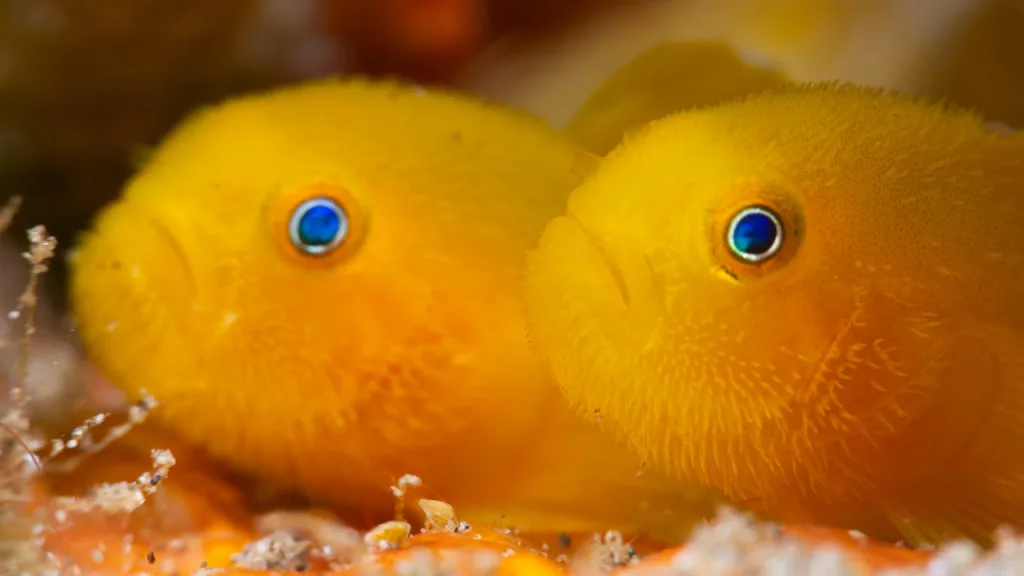
Anda, located on the eastern side of Bohol, is a quiet, well-kept secret for divers seeking to avoid crowds. Its massive coastline boasts more than a dozen dive sites, including steep walls and sandy muck sites. The tropical breeze perfectly complements the diverse diving, which features a great mix of big schools of fish and strange macro creatures hidden among the coral.
What it’s most known for: Anda is illustrious for its quiet reefs and the perfect mix of dramatic wall diving and macro photography.
Puerto Galera
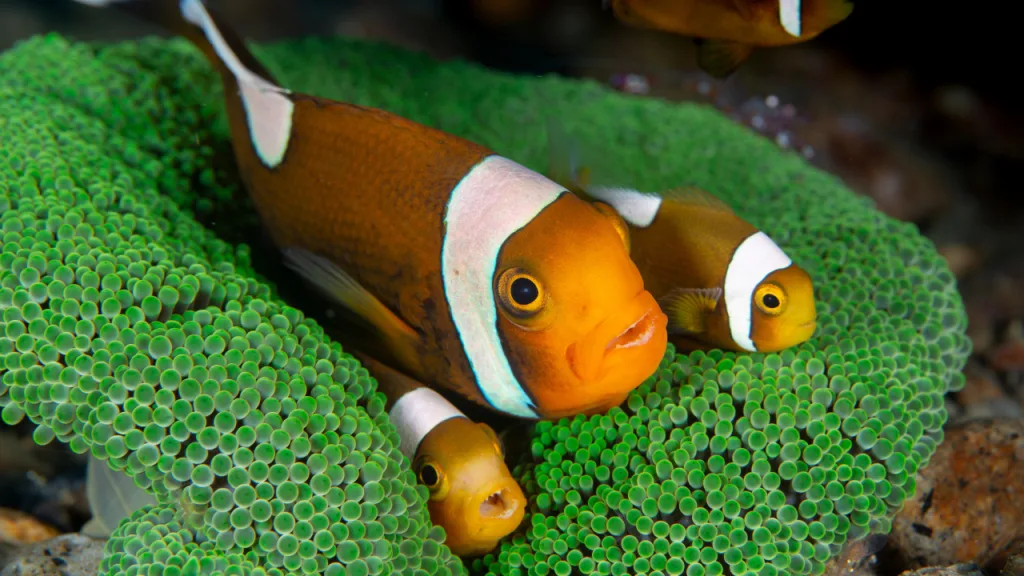
Puerto Galera is a classic destination that has been captivating divers for decades. Located on the island of Mindoro, it is famous for its strong currents with a lot of nutrients. The diving here is fast and exciting, taking you past vibrant reefs covered in colorful soft corals. It is a place that is full of energy and is perfect for those who love a bit of a thrill while they explore the beautiful underwater world.
What it’s most known for: This area is legendary for its high marine biodiversity and exciting drift diving through the Verde Island Passage.
Anilao
Anilao, located in Batangas, is the birthplace of scuba diving in the Philippines and remains a favorite among photographers. Located just a few hours from Manila, it is world famous for its macro life and nudibranchs. The variety of tiny creatures here is mind-blowing and it is the perfect place to sharpen your skills at finding the little things. It is a destination that proves you don't need to go deep to see something absolutely spectacular and full of vibrant color.
What it’s most known for: Anilao is recognized as a global capital for nudibranchs and professional underwater macro photography.
Apo Reef Natural Park
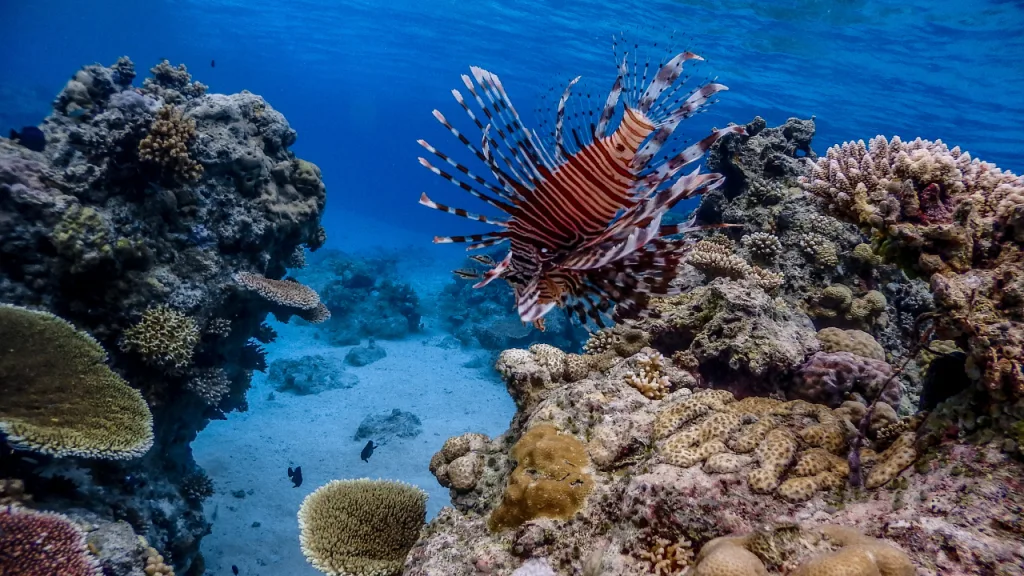
Apo Reef, located in Mindoro, is the largest atoll-type reef in the country. Its location is near the municipality of Sablayan and is best visited by liveaboard. Because of its size and location, it attracts a lot of action. You can expect to see reef sharks, tuna, and rays patrolling the edges of the reef. It is a wild and powerful place that will satisfy anyone with a heart of adventure. The scale of the reef is massive and makes you feel small in the best way.
What it’s most known for: Apo Reef is famous for being the second largest contiguous coral reef system in the world.
Subic Bay
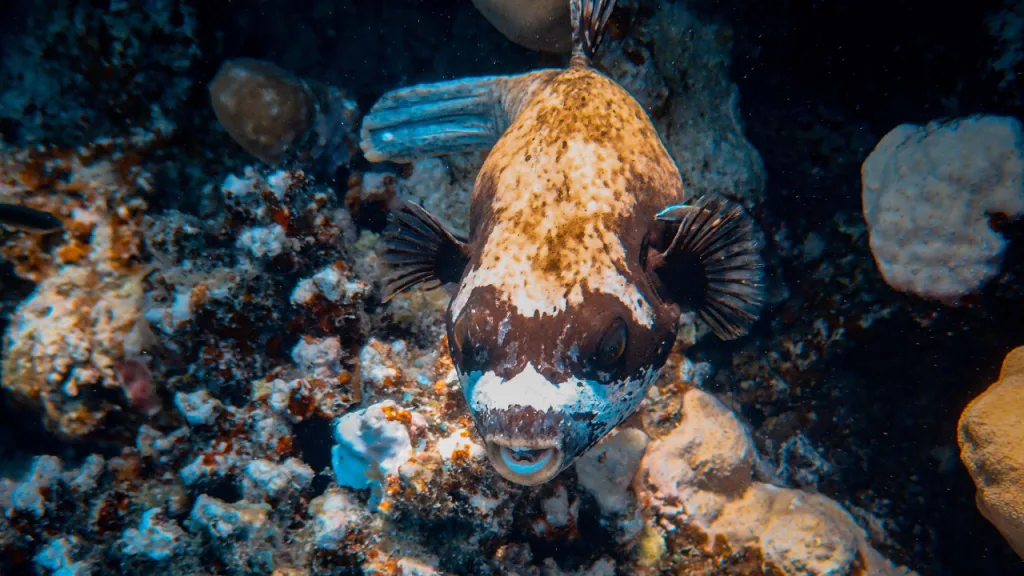
Subic Bay, located at the west coast of Luzon, offers a different kind of underwater story. It is famous for its high concentration of shipwrecks, many dating back to various eras of history. While the visibility might not always be clear, the history here is unmatched. Diving on the USS New York is like stepping back in time. It is a unique adventure for those who love to explore the mysteries of the past and see how history lives on under the water.
What it’s most known for: Subic Bay is most recognized for its high density of accessible and historic shipwrecks from multiple naval eras.
Sogod Bay, Leyte
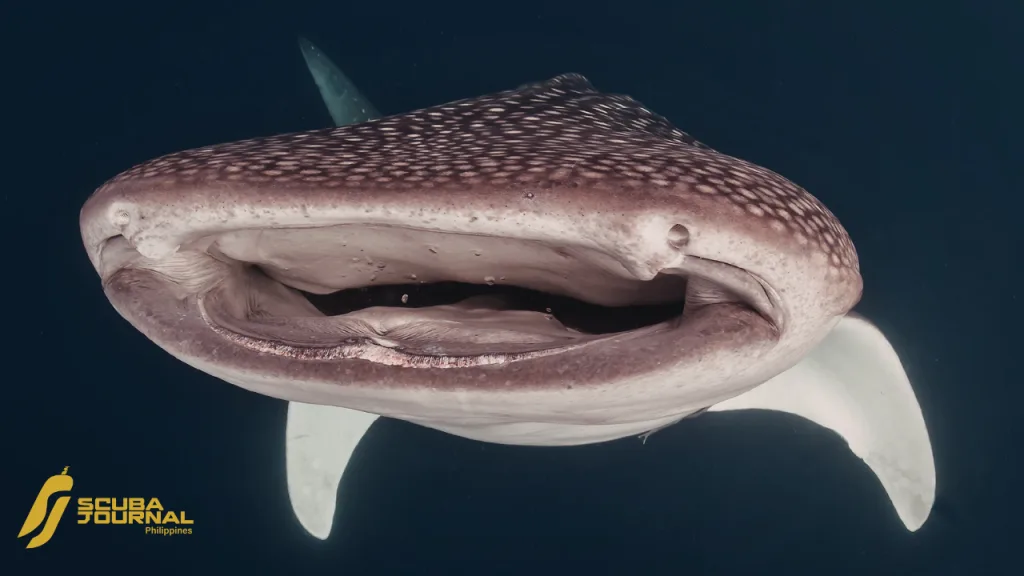
Sogod Bay in Leyte is a quiet paradise that offers some of the most beautiful and untouched coral gardens in the Philippines. It is a bit of a journey to get there, but that is exactly what makes it special. During the right season, it is one of the best places to see whale sharks. The combination of healthy reefs and the chance to swim with the giants of the sea makes it a truly enchanting and unforgettable destination.
What it’s most known for: This bay is illustrious for its glamorous coral gardens and seasonal, ethical whale shark encounters.
Romblon
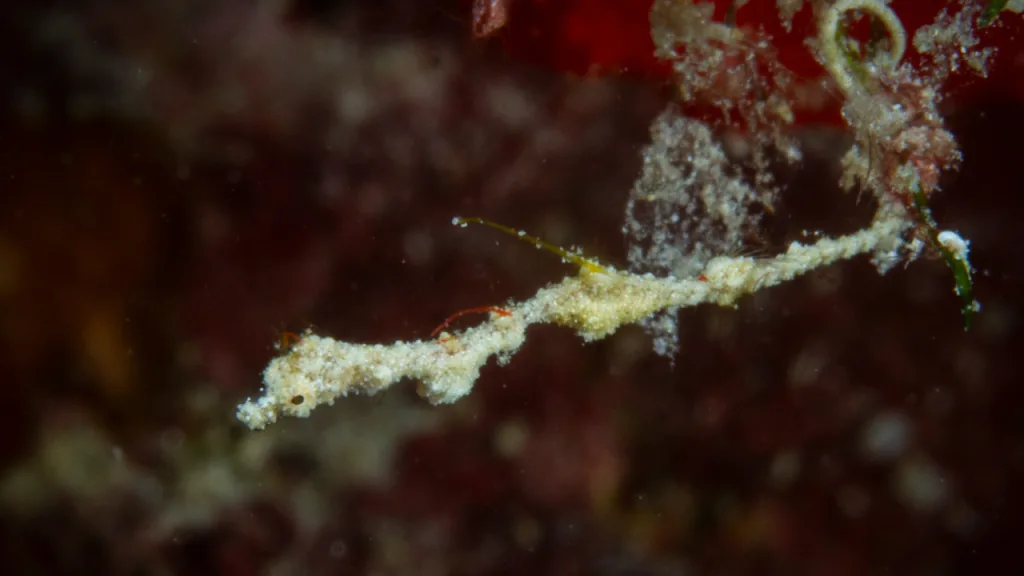
Romblon is a destination that is quickly becoming a legend. It is known as the marble capital, but underwater it is famous for creatures found nowhere else. It is one of the few places where you can reliably find rare nudibranchs like the Melibe colemani. It is a destination for the true connoisseur of the ocean who wants to see the rarest inhabitants of the coral reefs in a quiet setting. It is where nature shows off its most creative designs.
What it’s most known for: Romblon is legendary for its super macro diving and incredibly rare, alien marine species.
The Lesser-Known Dive Locations in the Philippines
If you have a heart of adventure that craves the path less traveled rather than the trending ones, then these hidden gems are your next destination. While the big names get the headlines, these secret spots offer a glimpse into the untouched beauty of the Philippines. Diving here feels like you have stepped back in time to a world where the reefs are yours alone to discover. It is the ultimate way to escape the crowds and unlock a part of the underwater kingdom that remains raw and incredibly enigmatic.
Culion Island
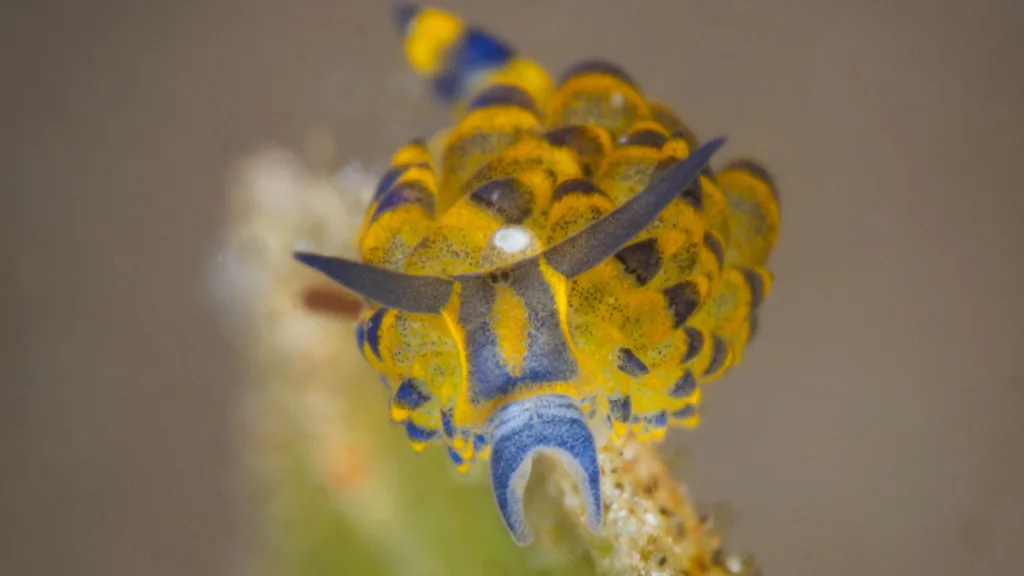
Culion is a short boat ride from busier Palawan and it offers a serene escape with deep history and quiet beauty. Its diving is world-class, featuring remarkably healthy and vibrant coral gardens. Seeing fewer visitors, Culion's marine life remains undisturbed, and visibility is often stunning. This perfect spot combines a sense of mystery with peaceful reef exploration, allowing divers to glide through clear blue waters.
What it’s most known for: Culion is popular for its pristine, untouched coral gardens and a fascinating, quiet historical atmosphere.
Mactan Island
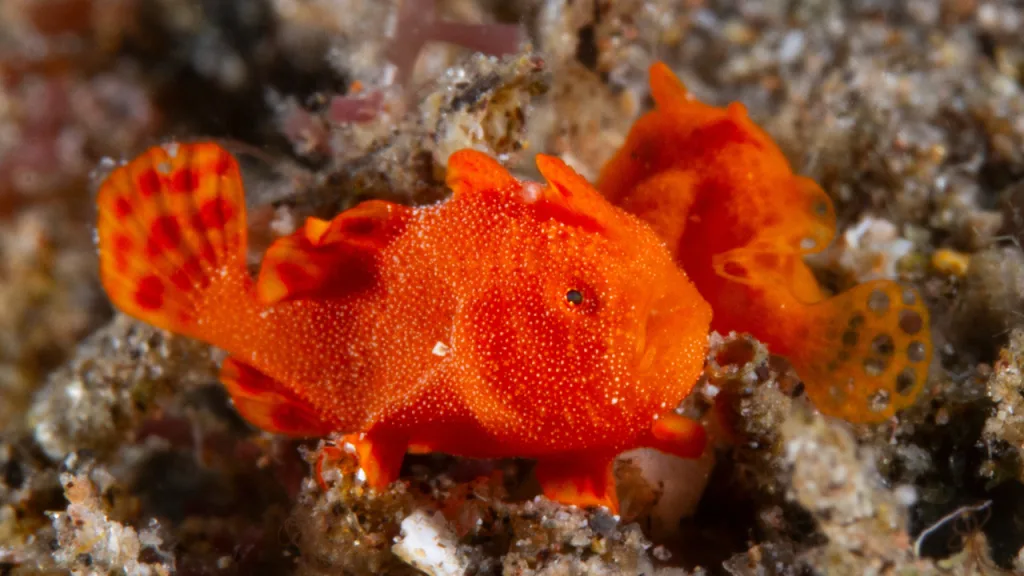
Mactan is not only the home of Lapu-Lapu, but is often regarded as a mere gateway to the Philippines. It holds a surprisingly rich and accessible underwater world right outside Cebu City. It boasts dramatic drop-offs and caverns, perfect for a quick plunge into nature. The convenience of its location doesn't diminish the beauty of the steep walls, covered in vibrant sponges and sea fans. It is an ideal spot for an effortless dive adventure during your island escapade.
What it’s most known for: Mactan is recognized for its dramatic wall dives and unique cavern exploration right next to the city.
Camotes Island
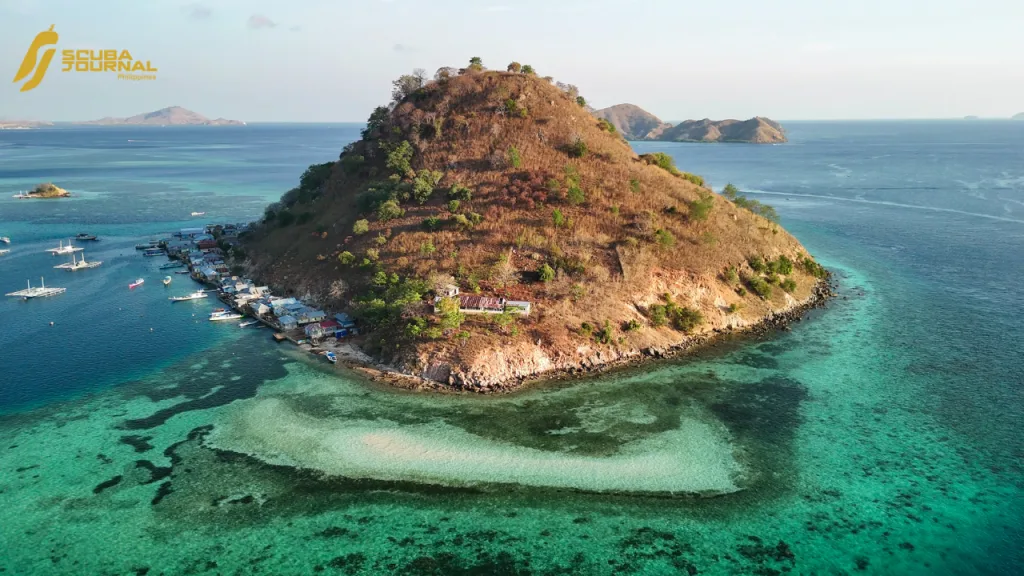
Camotes is an island that is perceived like it belongs in a fairytale, with its lush landscapes and crystal clear waters. The diving here is a well-kept secret, offering gentle slopes and colorful reefs that are perfect for a relaxing day underwater. It is the kind of place to feel the tropical breeze and then dive into a sea full of colorful reef fish. For travelers who tend to avoid the more well-known hot spots, Camotes provides a refreshing and very personal connection to nature.
What it’s most known for: Camotes is celebrated for its crystal clear visibility and peaceful, uncrowded coral reef diving.
Batanes Islands
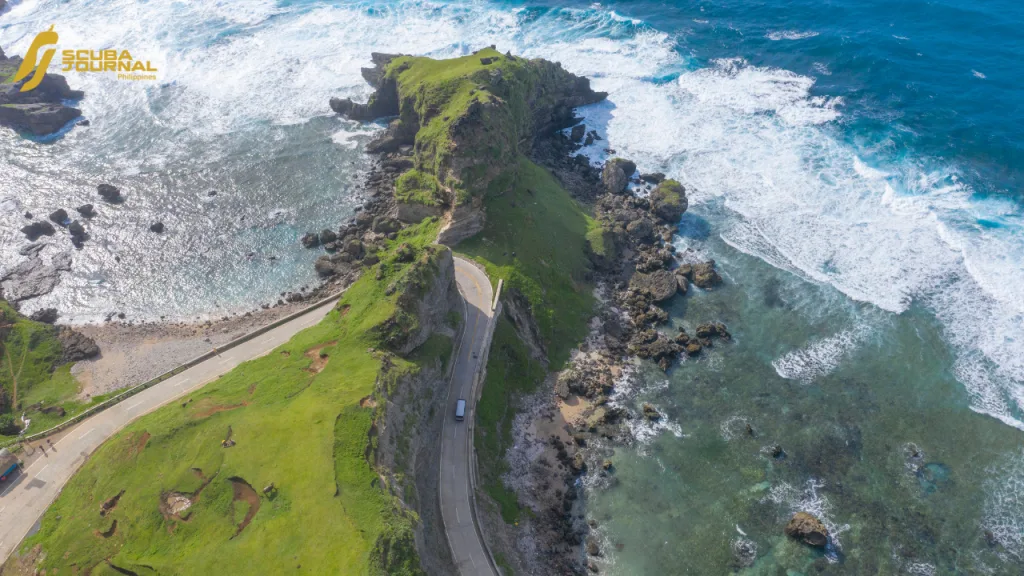
Batanes is the northernmost frontier of the Philippines and diving here is a rare privilege. The waters are wilder and the underwater landscapes contain massive boulders and volcanic rock formations. It is a place for the truly adventurous who are willing to face occasional strong currents for the reward of seeing sea turtles and a rugged, powerful side of the ocean. The experience is a quest compared to the rest of the country and feels like a journey to the end of the world.
What it’s most known for: Rugged volcanic underwater scenery and massive, healthy schools of pelagic fish.
Sipalay
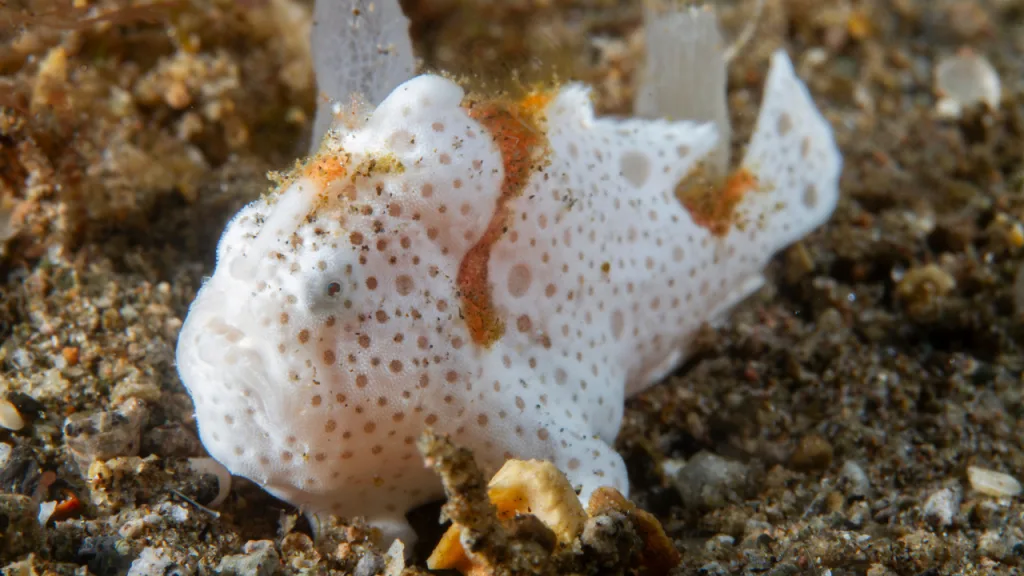
Sipalay is a hidden jewel on the coast of Negros Occidental that offers a mix of beautiful reefs and interesting shipwrecks. It is a quiet destination, the pace of life is slow and the diving is incredibly rewarding. You can spend your morning exploring a shallow wreck and your afternoon drifting over a vibrant wall. It is the ideal location for someone who wants to savor the soul of the province with a world that is still feels entirely undiscovered and fresh.
What it’s most known for: Sipalay is favored illustrious for its mix of accessible shipwrecks and vibrant, healthy coral walls.
Guimaras Island
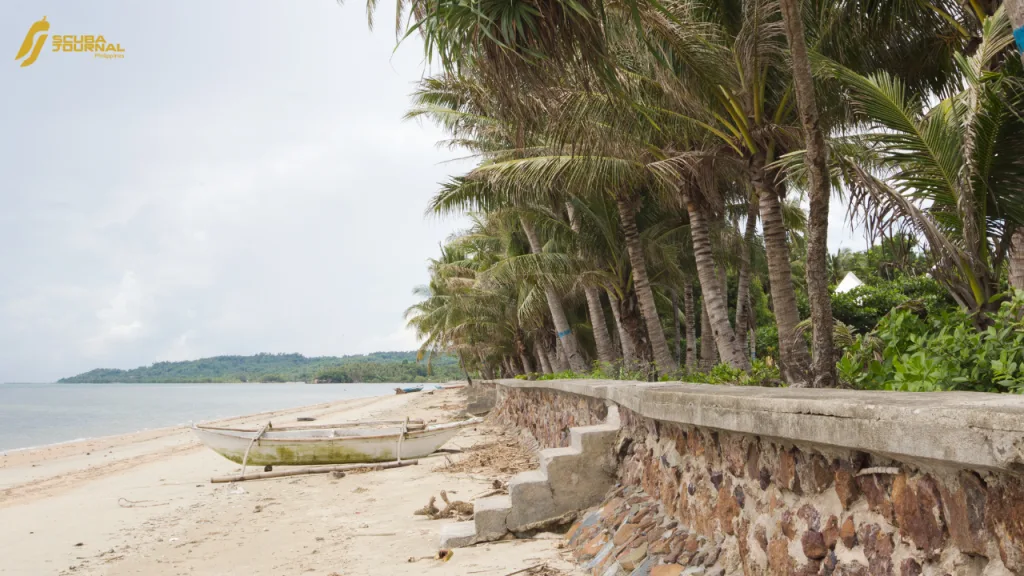
Famous for its sweet mangoes, Guimaras in Iloilo, a province in the Visayas, also hides a beautiful underwater world within its coastal sanctuaries. The diving here is focused on protected sanctuaries where you can find lush seagrass beds and thriving coral gardens. It is a fantastic destination for those who appreciate the smaller details of the ecosystem and want to see how the island’s natural beauty continues beneath the surface. The quiet waters and hospitable locals make it a perfect stop for any adventurous traveler seeking peace.
What it’s most known for: Guimaras is most recognized for its lush marine sanctuaries and healthy, protected biodiversity.
General Santos
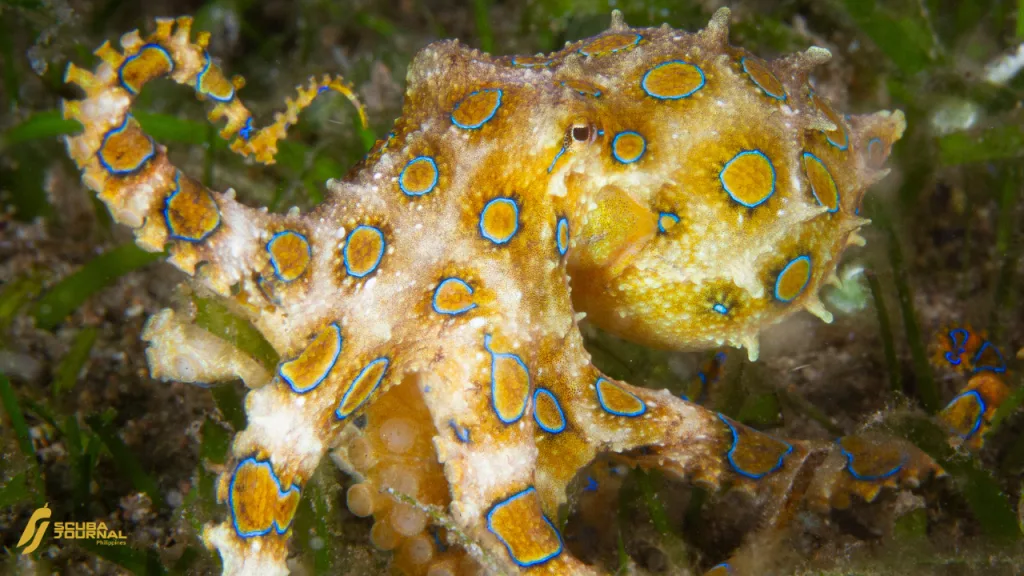
The General Santos area in Mindanao is famous for its tuna industry, but for divers, the Sarangani Bay offers a whole different kind of thrill. This deep water bay is home to a variety of marine life, including dolphins and even whales. The coral reefs along the coast are surprisingly vibrant and seldom see divers. It is a destination that feels raw and powerful, perfect for someone who seeks the big, open blue side of the Philippine underwater world in total privacy.
What it’s most known for: This area is recognized for deep-water biodiversity and large marine mammals in Sarangani Bay.
Tawi-Tawi Islands
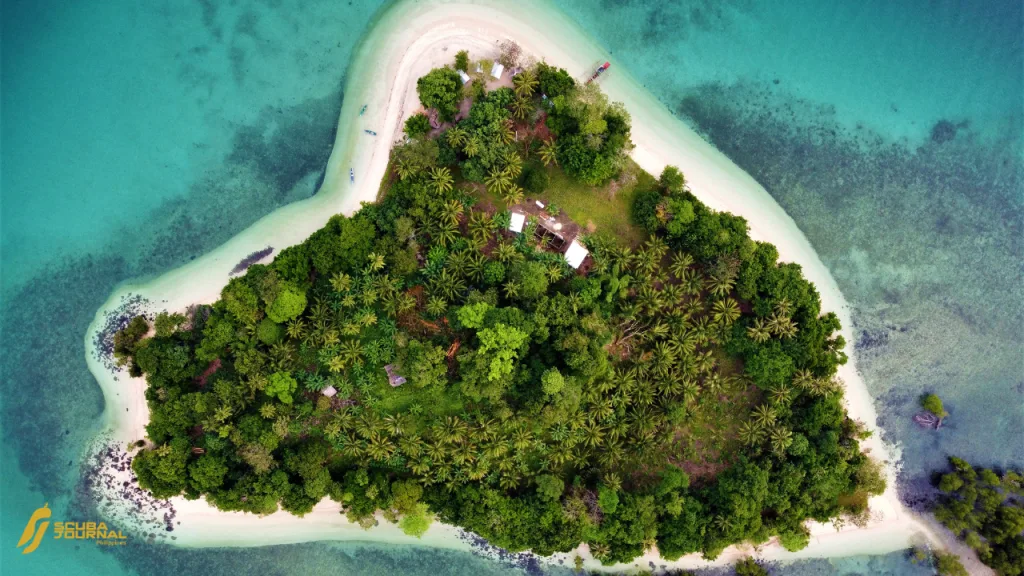
Tawi-Tawi is the true southern frontier and represents the quest for those who choose to go where few have gone before. The reefs here are some of the most biodiverse in the entire Coral Triangle. Diving here means exploring massive reefs and seeing a density of fish life that is hard to find anywhere else. It is a place of incredible mystery and breathtaking natural beauty for the boldest explorers.
What it’s most known for: Tawi-Tawi is renowned for its remote, pristine biodiversity and untouched coral reefs at the edge of the country.
Samar
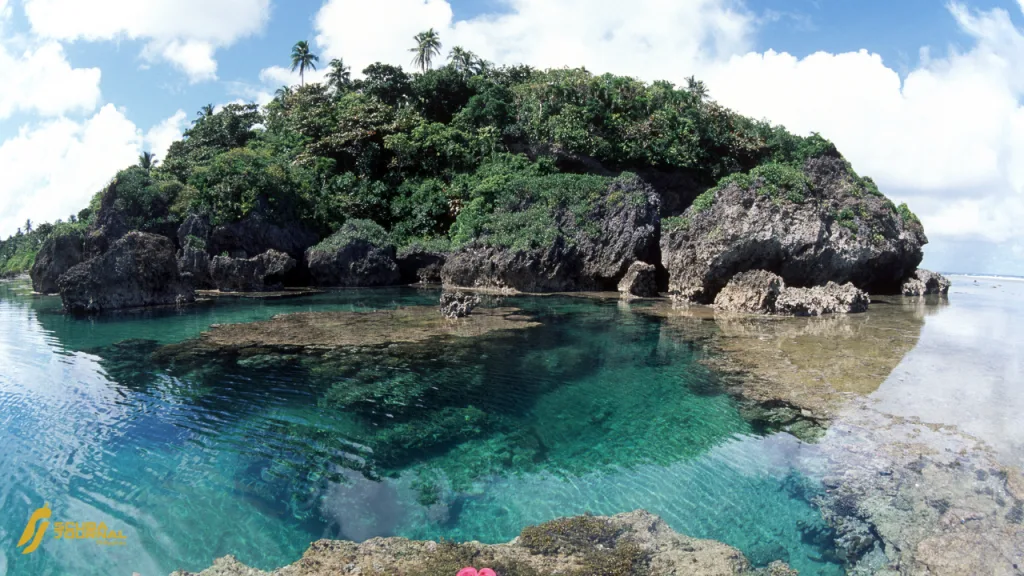
Samar is known for its rugged land beauty and its underwater world is just as wild. The diving here is still largely unexplored, with dives having the potential to be a discovery of something new. You can find beautiful rock formations and reefs that are shaped by the powerful currents of the Pacific. It is a destination for the pioneer who craves the feeling of being the only person for miles. The energy of the ocean here is captivating and unforgettable.
What it’s most known for: Samar is respected for its unexplored reefs and dramatic rock formations.
Samal
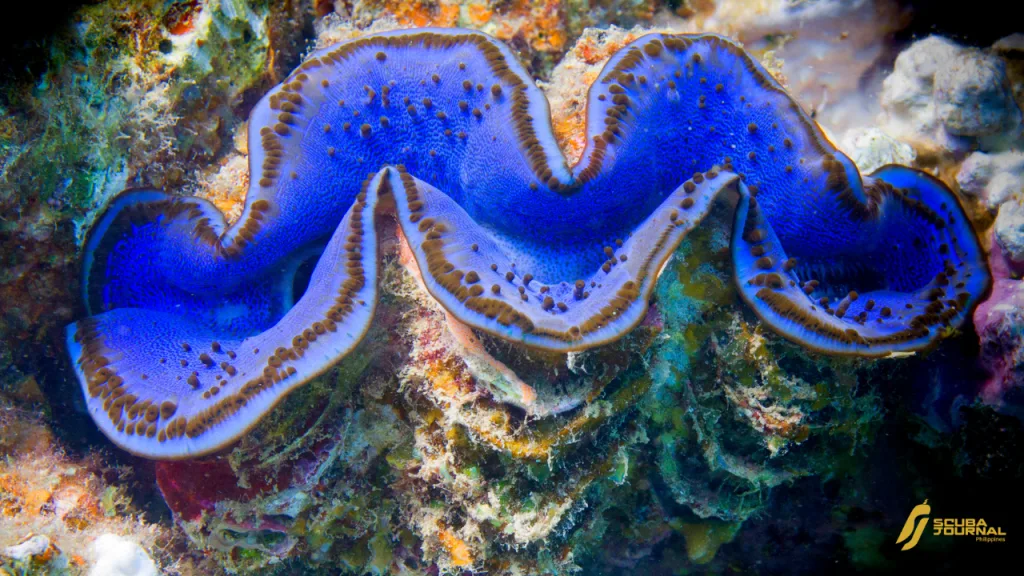
Just a short boat ride from Davao, Samal Island is a paradise of white sand and clear water. The diving here is for those who want a relaxing island escapade. You can find several marine sanctuaries where the coral is thriving and the fish are plentiful. It is especially known for its giant clam sanctuary where you can appreciate massive mollusks in their natural habitat. It is a beautiful and easy way to enjoy the touch of nature in the south.
What it’s most known for: Samal is famous for its giant clam sanctuaries and beautiful, protected coral reef gardens.
Limasawa
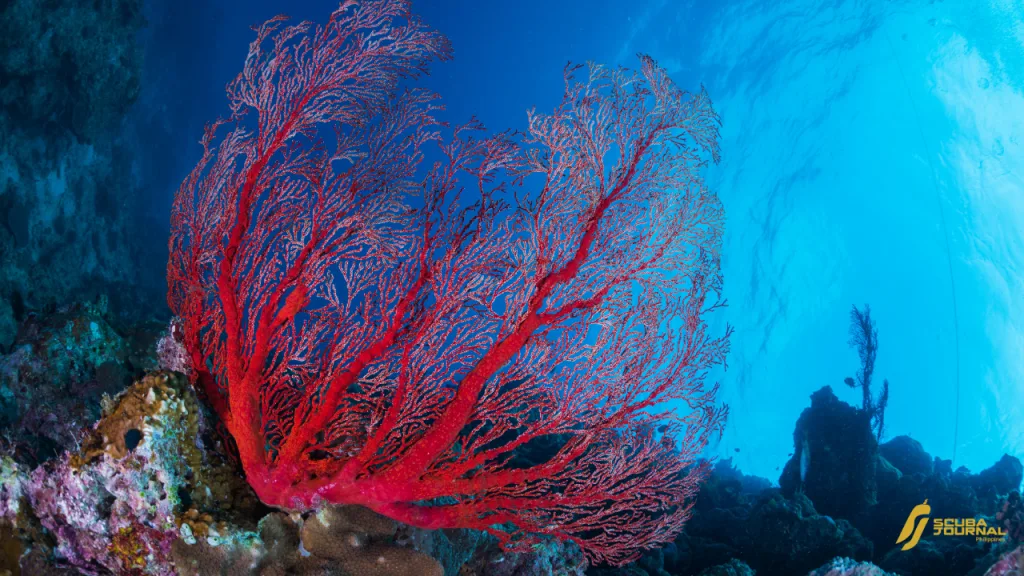
Limasawa is a small island with a huge place in history, but its underwater charms are what attract adventurous divers. The steep walls and deep slopes are covered in massive sea fans and colorful soft corals. Because of its location, the currents bring in a lot of life, making every dive feel energetic and full of surprises. It is a hidden gem where you can enjoy the hospitality of the locals and the quiet magic of the reef.
What it’s most known for: Limasawa is recognized for its deep wall dives featuring massive gorgonian fans and vibrant coral life.
Ticao
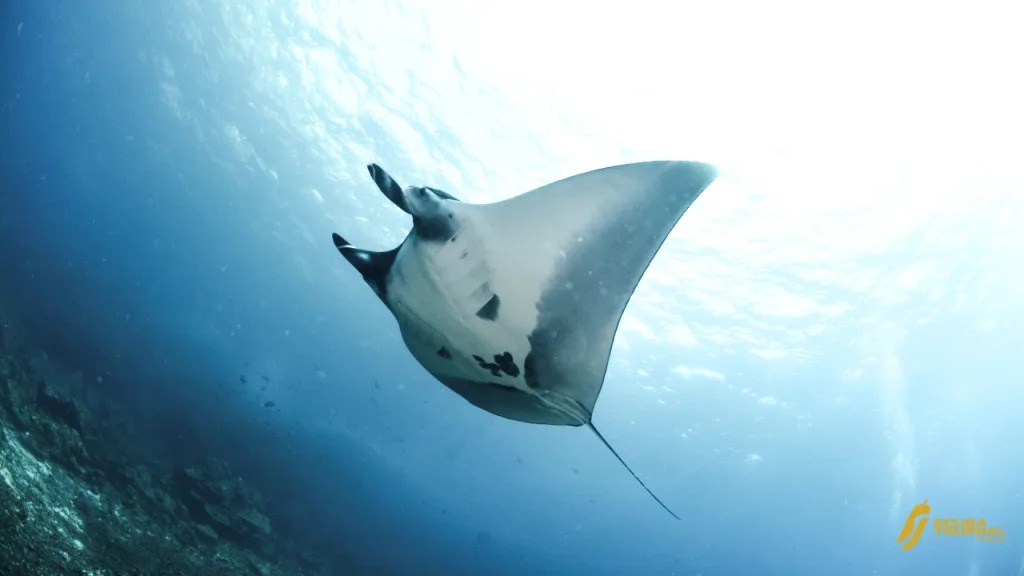
Ticao is a destination that will surely thrill you if you love big animals. Located in Masbate, it is home to the famous Manta Bowl where these graceful giants of the sea come to feed and clean. The currents are strong, but the reward is seeing mantas and even whale sharks in a natural setting. It is a raw and exciting adventure that proves you don't need to go to a tourist spot to enjoy the best of the ocean.
What it’s most known for: Ticao is legendary for its manta ray cleaning stations and thrilling, high-energy drift diving.
Siargao
While Siargao is the surfing capital of the Philippines, its underwater world is a secret that is just starting to get out. Beyond the waves, you can find incredible rock formations, tunnels, and caves that are a dream for adventurous divers. The Cathedral is a famous underwater cave where the light filters through in a way that feels truly mystical. It is the perfect place to combine your love for the surf with the quiet mystery of the deep blue.
What it’s most known for: Siargao is celebrated for its underwater caves, tunnels, and dramatic light-filled rock formations.
Biliran
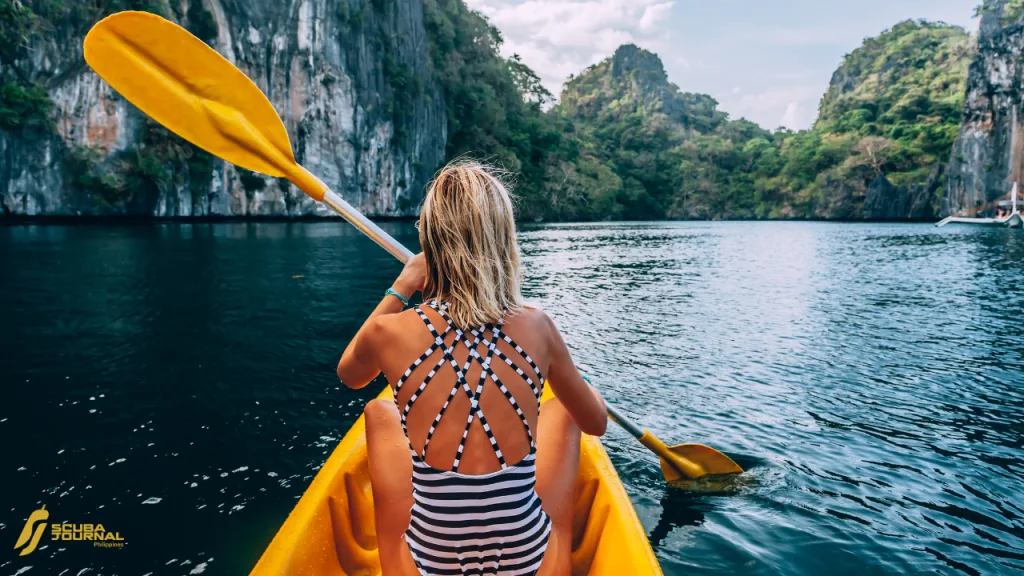
Biliran is an island province that many travelers overlook, but those who stop here find a world of untouched beauty. The diving is centered around small, volcanic islands with reefs that are teeming with life. It is a place where you can enjoy the refreshing mountain waterfalls in the morning and a peaceful reef dive in the afternoon. The sense of discovery here is real, as you will likely be the only diver in the water for miles around.
What it’s most known for: Biliran is recognized for its remote volcanic reefs and a peaceful, undiscovered diving atmosphere.
Cabilao
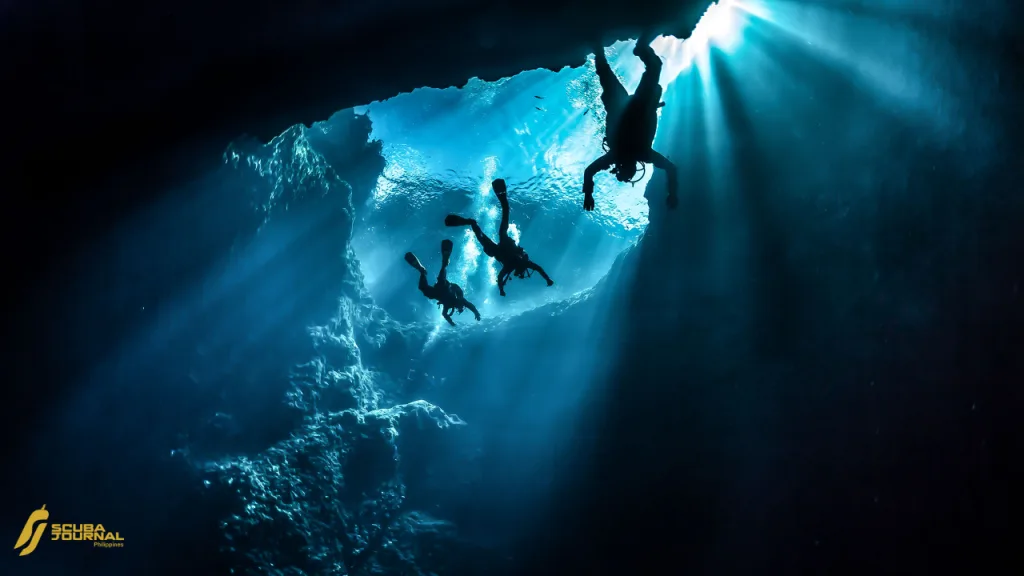
Cabilao is a small island off the coast of Bohol that has a massive reputation among serious divers. It is world-renowned for its incredible walls and the chance to see pygmy seahorses and other rare macro life. The water is often crystal-clear, allowing you to see the true scale of the underwater cliffs. It is a destination that offers a quiet and focused diving experience, away from the distractions of the more commercialized islands. It is pure underwater magic.
What it’s most known for: Cabilao is renowned for spectacular wall dives and rare, tiny macro species like pygmy seahorses.
Antique
Antique is a destination on the island of Panay that offers a rugged and beautiful coastline. The diving here, particularly around Pandan, features healthy coral reefs and a great variety of marine life. It is a fantastic spot for those who want a touch of nature without the crowds. You can explore the reef at your own pace and enjoy the hospitable culture of the local fishing villages. It is a refreshing alternative for the traveler who has seen it all.
What it’s most known for: Antique is recognized for its healthy, uncrowded coral reefs and an authentic provincial vibe.
Donsol
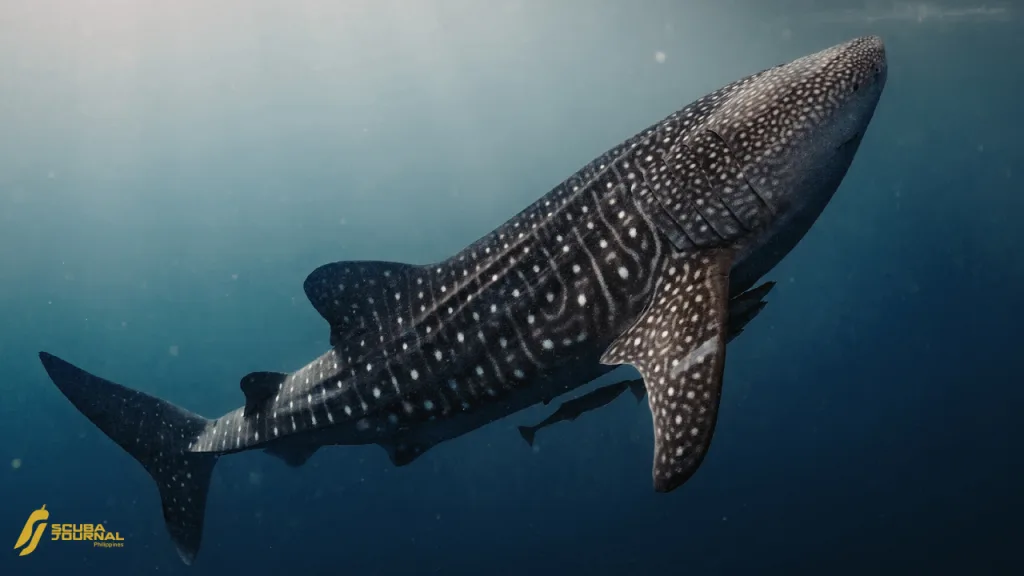
Donsol is world-famous for its whale sharks, but the diving at the nearby Manta Bowl is what keeps adventurers coming back. While the visibility can be challenging due to the nutrient-rich water, that is exactly why the big animals are there. You have a chance to see whale sharks and manta rays in a way that feels totally natural and respectful. It is a powerful experience that reminds you of the incredible scale of the inhabitants of the coral reefs.
What it’s most known for: Donsol is famous for its ethical whale shark encounters and sightings of graceful manta rays.
Masbate
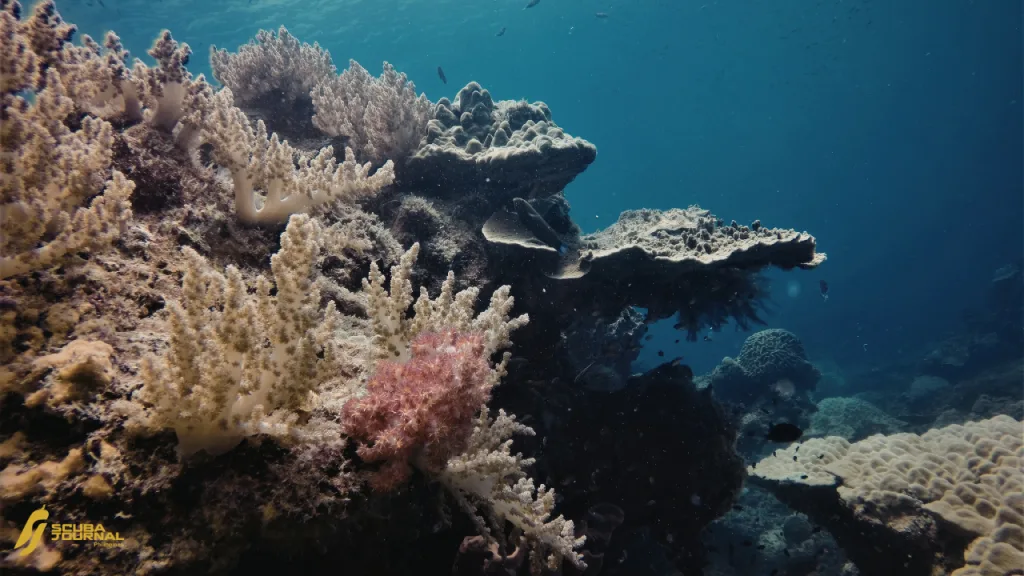
Masbate is an island province that sits at the crossroads of several major sea currents, making its waters incredibly fertile and full of life. The diving here is adventurous and varies from coral gardens to deeper spots where larger fish congregate. It is a place that is still feels like a frontier, where the hospitality of the people is as warm as the tropical sun. For the adventurous diver, Masbate offers a world of mystery waiting to be explored.
What it’s most known for: Masbate is recognized for its high-energy dive sites and a crossroads of rich marine biodiversity.
Mercedes Islands
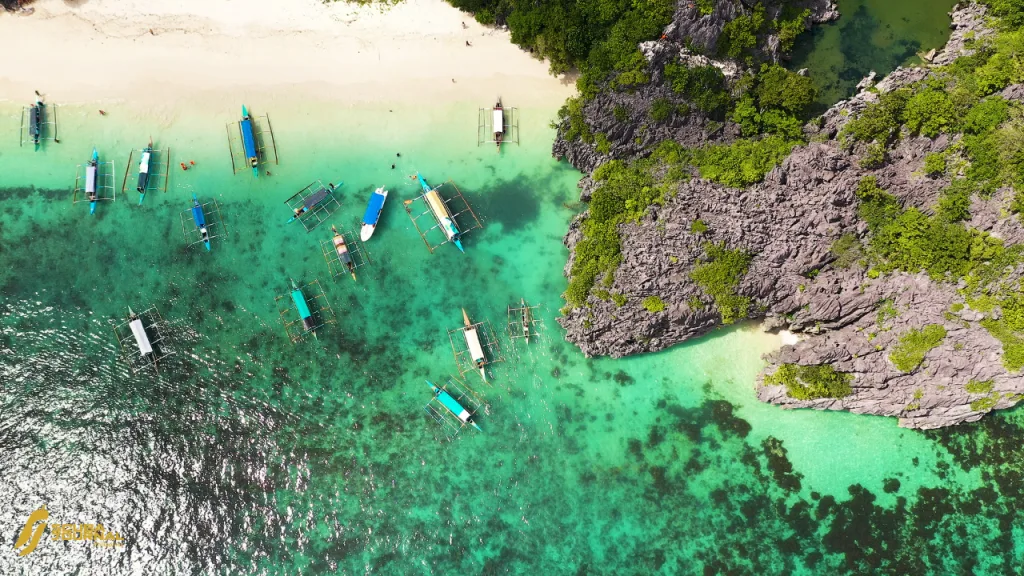
The Mercedes Islands in Camarines Norte are a cluster of small gems that offer a true island escapade. The diving here is still very much in its infancy, meaning you are exploring reefs that few others have ever seen. You can find white sand bars that lead into beautiful coral patches full of color. It's the perfect destination to disconnect and reconnect with the ocean's simple beauty.
What it’s most known for: These islands are celebrated for secret, untouched reefs across a cluster of beautiful and raw small islands.
Hundred Islands
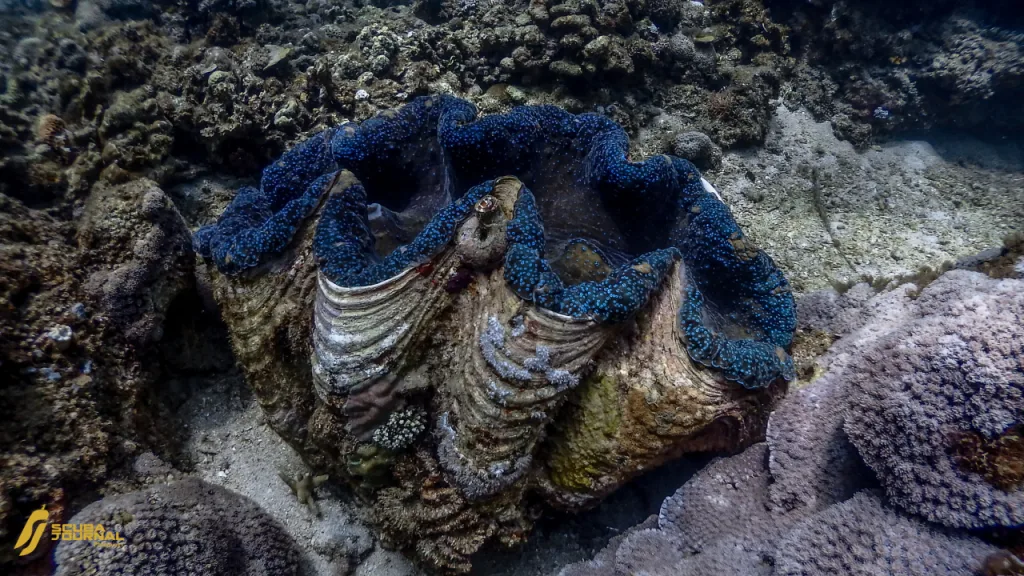
The Hundred Islands in Pangasinan are a famous landmark on land, but they also offer unique diving opportunities among the mushroom-shaped islets. The shallow reefs are perfect for beginners or those who want a relaxing dive in a very unusual setting. You can find giant clams and a variety of reef fish living among the limestone formations. It is a fun and visually stunning way to experience a new side of one of the Philippines' most iconic destinations.
What it’s most known for: This park is famous for diving among iconic limestone islets and giant clam restoration projects.
Sibaltan
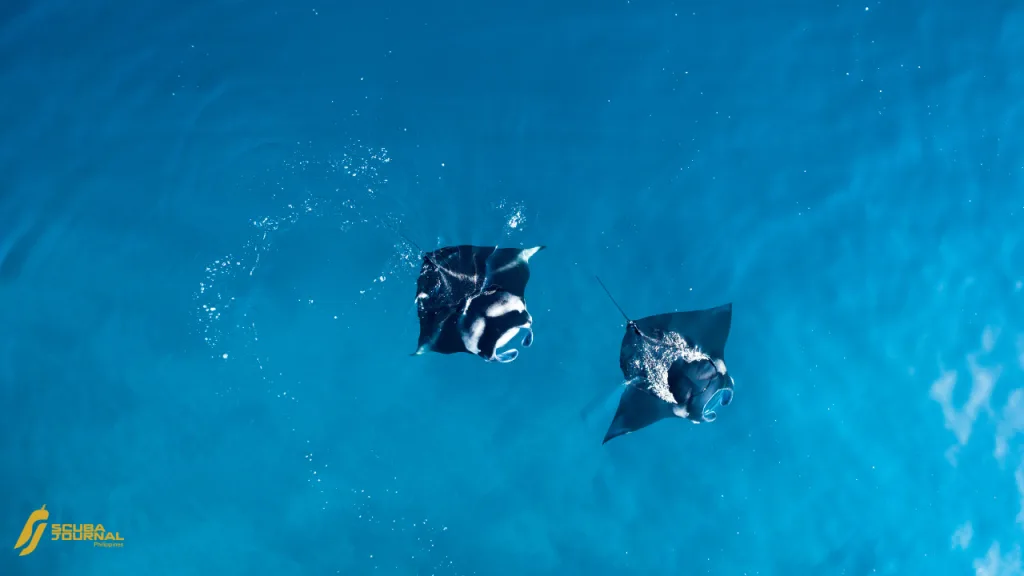
Located on the quiet eastern side of El Nido, Sibaltan offers a much more peaceful alternative to the busy bay. The diving here is focused on the nearby manta ray sanctuary where these majestic creatures are often spotted gliding over the reefs. It is a beautiful and serene area where you can stay in eco-friendly huts and enjoy the quiet sounds of the ocean. It is a perfect spot for those who want the beauty of Palawan without the crowds.
What it’s most known for: Sibaltan is recognized for its peaceful manta ray sightings and a quiet, eco-friendly island vibe.
Puerto Princesa
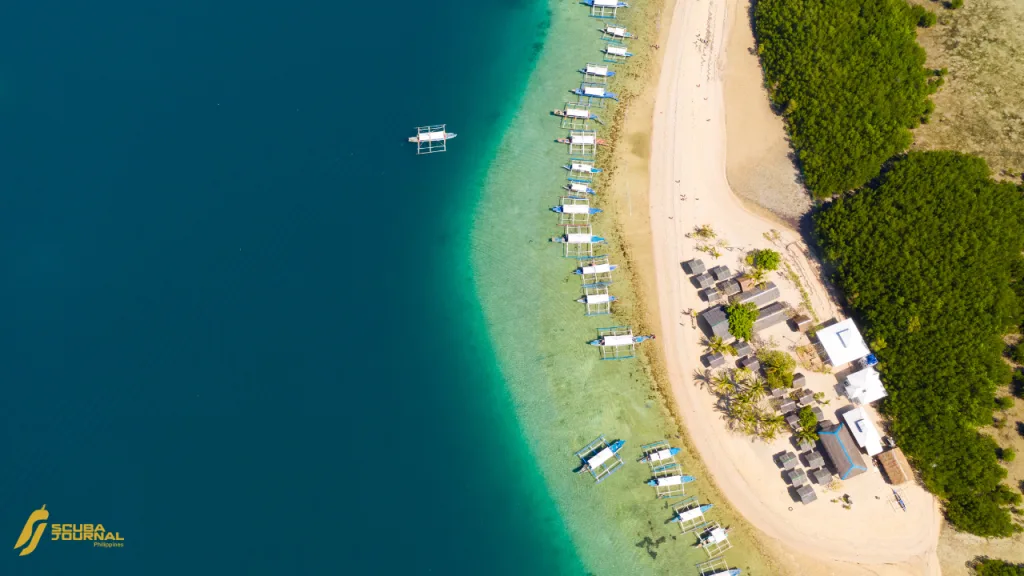
Puerto Princesa, while often a transit point, offers exceptional diving opportunities in Honda Bay and its vicinity. Seasonal excursions to observe whale sharks may also be available. The dive locations feature remarkable diversity, including vibrant coral reefs and abundant marine biodiversity, allowing divers to experience Palawan's natural splendor in close proximity to a dynamic urban center.
What it’s most known for: Puerto Princesa is famous for Honda Bay reef (Pambato Reef) diving and seasonal whale shark spotting in the open sea.
Balabac
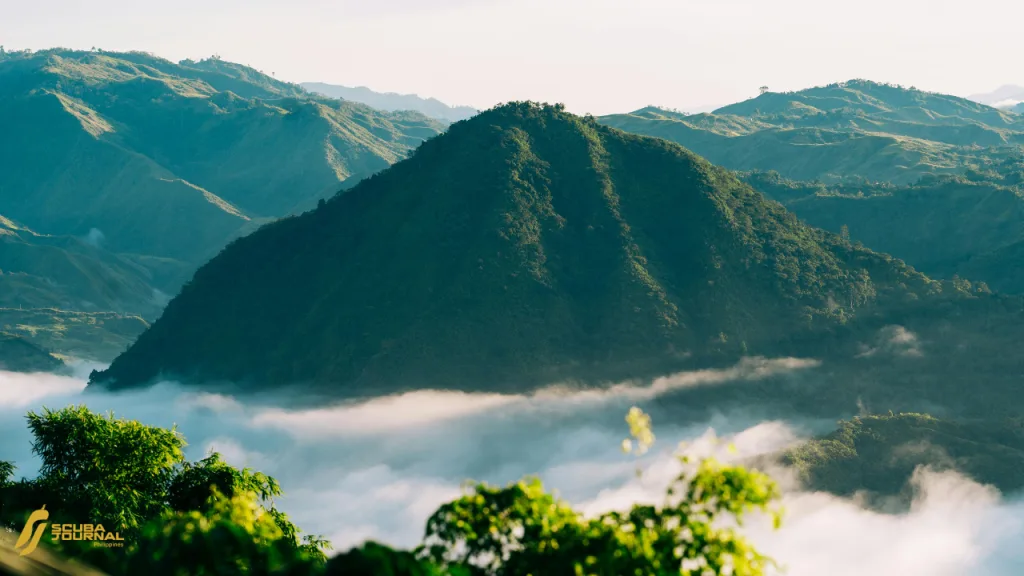
Balabac is one of the most remote and mysterious corners of the Philippines, located at the very southern tip of Palawan. The diving here is for the ultimate explorer, offering reefs that are untouched by the modern world. You can expect to see huge schools of fish and pristine corals that have flourished in total isolation. It is a place of beauty and silence where the "heart of adventure" is put to the test in the best way.
What it’s most known for: Balabac is recognized for its pristine, isolated reefs and the feeling of being on the final frontier.
Conclusion
In the end, diving in the Philippines is more than just a hobby; it is a way to reconnect with a world that remains pure and enigmatic. Whether you find yourself in the famous sanctuaries of Siquijor or the remote reefs of Tawi-Tawi, each plunge offers a refreshing breeze for the soul. The inhabitants of these coral kingdoms remind us that adventure is always waiting if you are willing to look beneath the surface. Now that the secret door is open, the only question left is which island will you unlock first?