Is Initao the Philippines' Next Great Dive Destination?
· Resources · By Scuba Journal
A sea dragon find next door and years of official interest have put western Misamis Oriental on the map for divers. Here's what's confirmed so far, and what isn't.
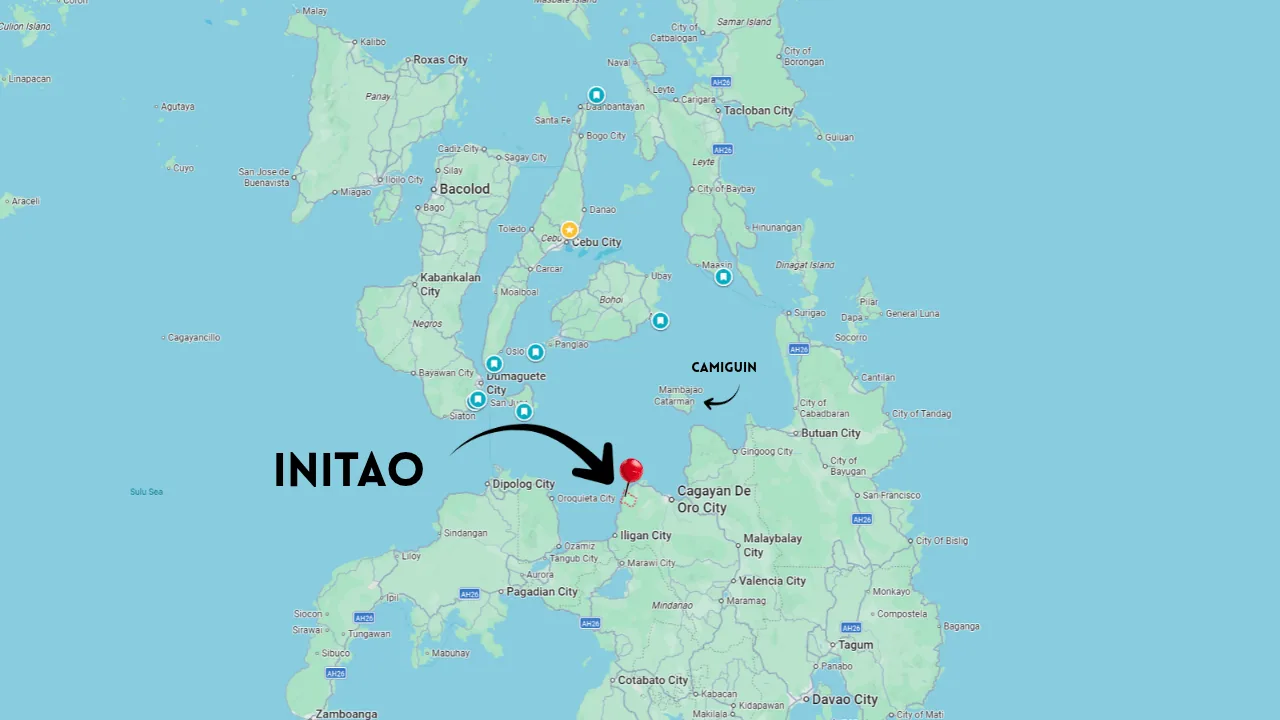
Ask most divers about Northern Mindanao and they'll name Camiguin. A few who know the region will mention Duka Bay in Medina or the giant clams of Agutayan Island. Very few will name Initao, a quiet coastal town about an hour west of Cagayan de Oro. That could be about to change.
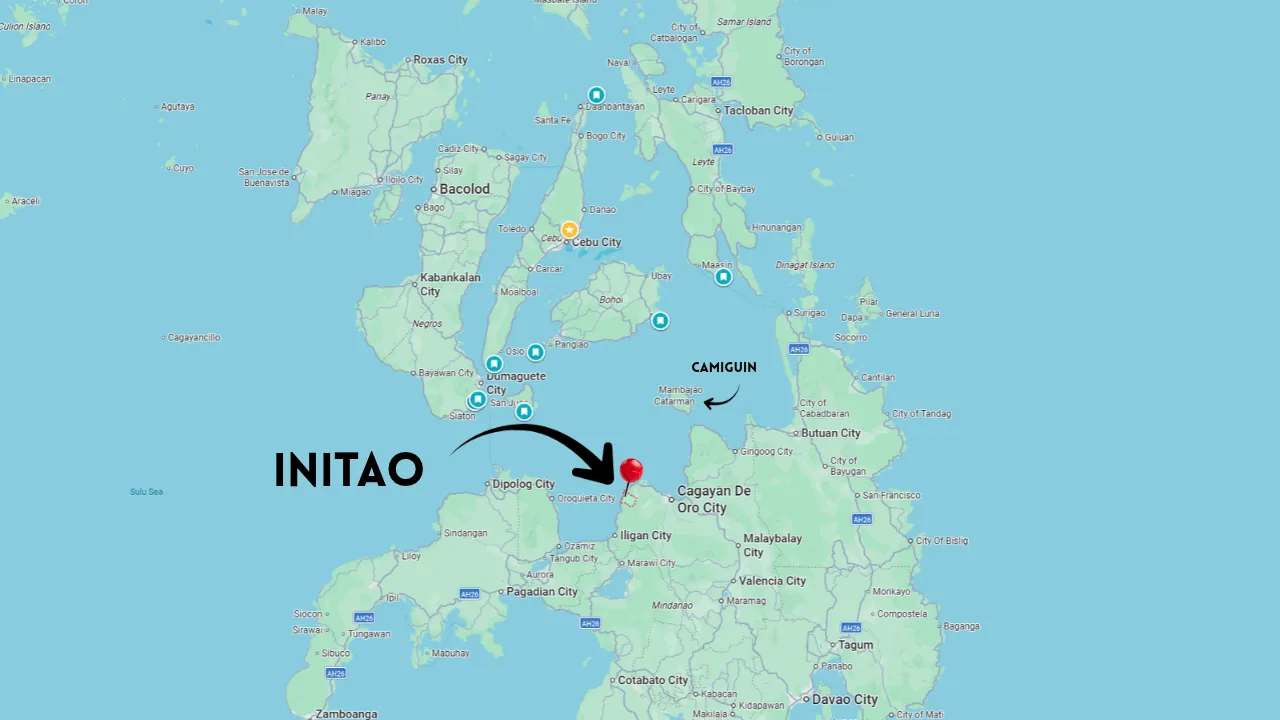
Initao has been on the provincial tourism wish list for several years. Then this year a remarkable fish turned up just along the coast, and underwater photographers are taking a closer look at this stretch of western Misamis Oriental. So is Initao the Philippines' next great dive destination? The honest answer is "maybe", and that's exactly why it's worth watching.
A coastline on the official radar
Initao didn't appear out of nowhere. In September 2023, at the third NorthMin Dive Festival, the Provincial Government of Misamis Oriental and the Department of Tourism Region 10 (DOT-10) said openly that they wanted to expand dive tourism westward.
Provincial Tourism Officer Jeffrey Saclot named the province's second district, especially Laguindingan and Initao, as the next area to explore. The Philippine Information Agency reported that he hoped the push would attract new dive operators, because the western side had almost none. DOT-10 Regional Director Marie Elaine Salvana-Unchuan also listed Initao among the Misamis Oriental areas the department was exploring for dive sites.
At the time, DOT-10 counted 39 identified dive sites across the region. Camiguin had seven dive operators. Misamis Oriental had only two dive resorts, Duka Bay Resort and Mantangale Alibuag Dive Resort, both on the eastern side of the province. Initao was still a blank spot on the dive map.
Protected waters already in place
Initao has one big advantage over many "undiscovered" destinations: part of its coast is already legally protected. The Initao–Libertad Protected Landscape and Seascape was proclaimed in 2002 under the National Integrated Protected Areas System (NIPAS). It covers the limestone forest of the old Initao National Park, known locally as Lasang, plus the marine waters off Initao and neighbouring Libertad.
The protected area sits about 27 km southwest of Laguindingan Airport and about 59 km west of Cagayan de Oro. That's unusually easy access for a frontier dive area. You can land in the morning and be on the coast before lunch.
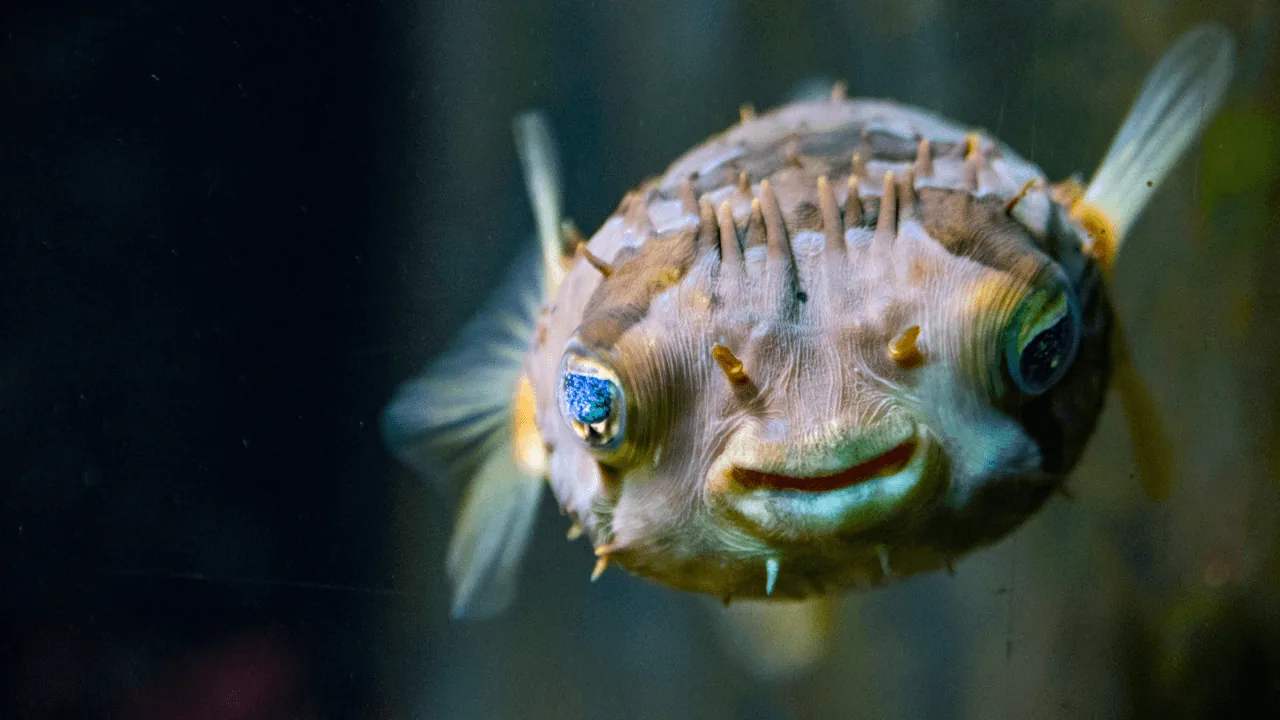
What's under the water? Published survey data is limited and somewhat dated, but it's encouraging. A 2015 study in the Asian Journal of Biodiversity found the surveyed reef in "good condition", with about 51 percent live coral cover. Fish recorded in the marine park include squirrelfish, soldierfish, snapper, trevally, grouper (lapu-lapu), butterflyfish, wrasse, parrotfish, surgeonfish, triggerfish and porcupinefish. That's a typical healthy Coral Triangle reef community rather than a list of headline species. The same study noted that a full resource inventory of the park had never been completed.
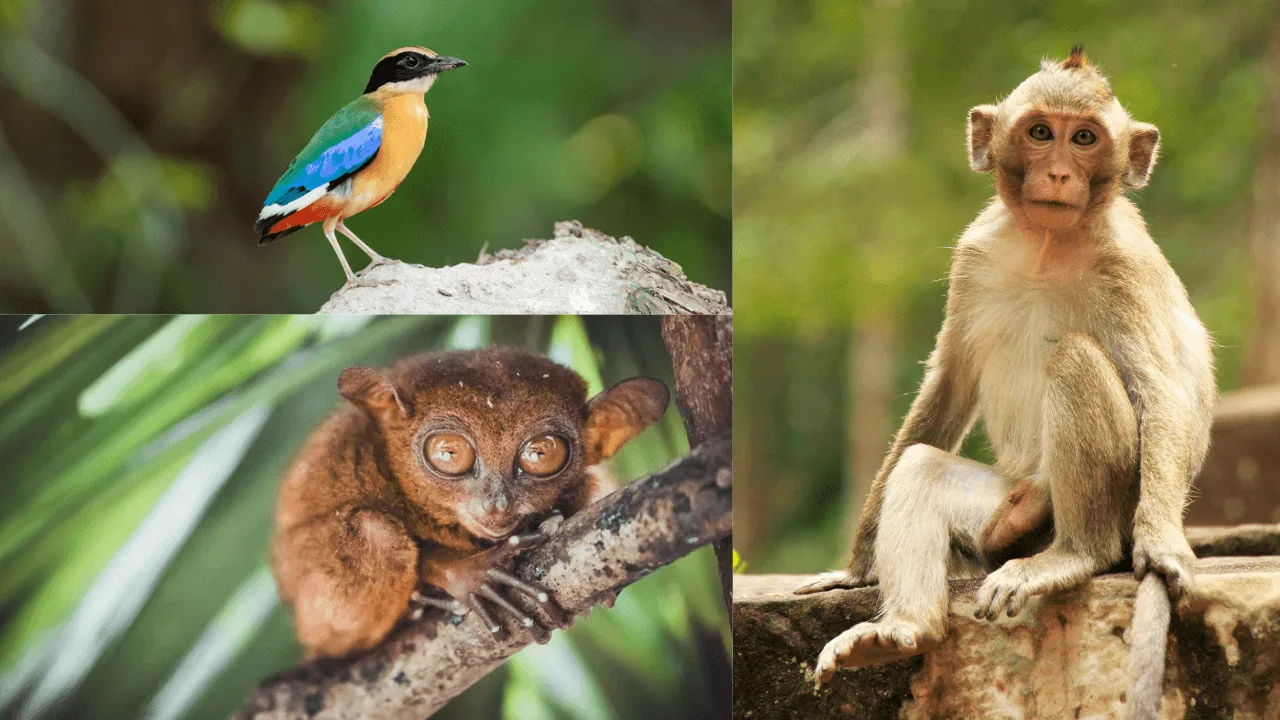
Topside, the protected area is better known for its forest than its reefs. The provincially developed Lasang Secret Adventure Park has treetop boardwalks, hanging bridges, a zipline and cave treks. Wildlife recorded there includes the Philippine tarsier, the Philippine long-tailed macaque and Steere's pitta. For divers travelling with non-diving partners, that matters.
The sea dragon next door
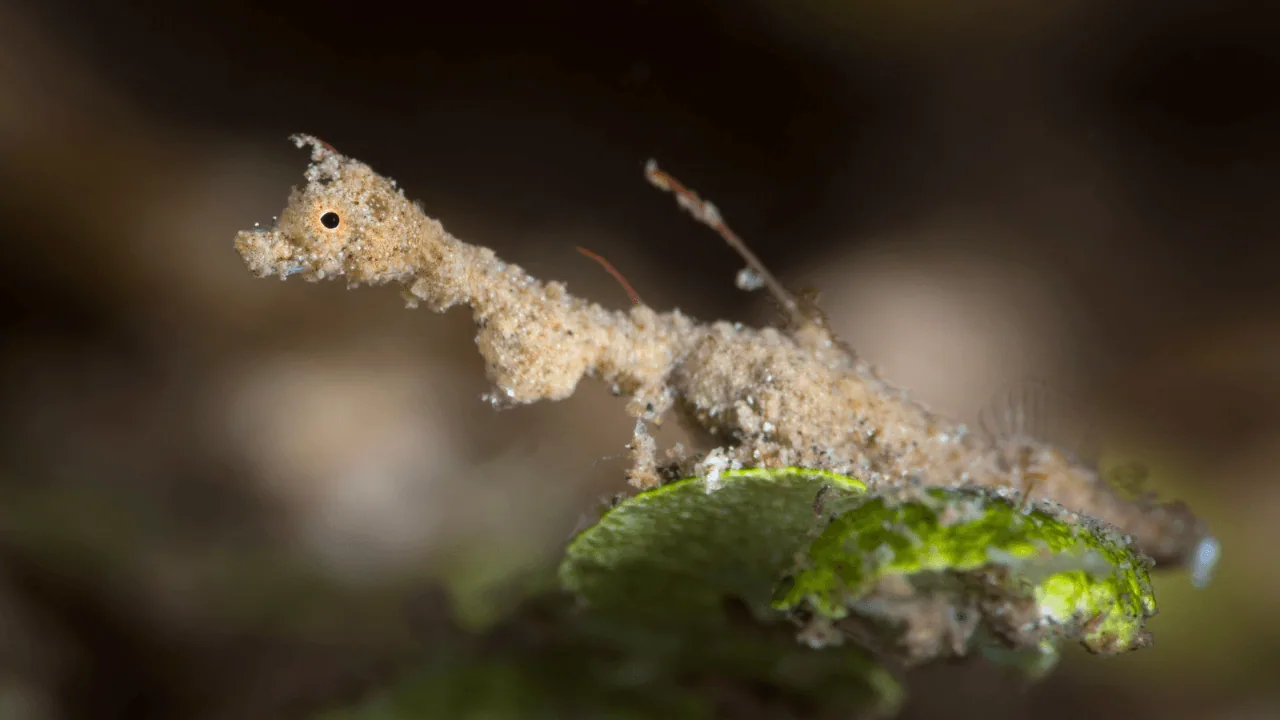
The real reason this coast is getting attention in 2026 is a fish so thin you could lose it in a strand of algae.
On 17 May 2026, the Lembeh sea dragon, also called the thread pipefish (Kyonemichthys rumengani), was reported in the waters of Laguindingan, the town between Initao and the airport.
Progress Watch: Metro Cagayan de Oro and Northern Mindanao reported that the find drew underwater photographers from around the country.
To confirm it, DOT-10 and the Local Government of Laguindingan ran an underwater expedition on 13–14 June 2026. According to the same report, the team documented five live specimens.
For macro shooters, this is a big deal. Kyonemichthys rumengani is a tiny relative of the seahorses, barely wider than a thread and almost transparent. It anchors itself to algae, overhangs or whip corals with its prehensile tail, and is usually seen alone or in pairs, often around dusk and at night. It's named after Lembeh Strait in Indonesia, the muck-diving capital of the world, and photographers travel a long way to find it. A documented population a short drive from a Philippine domestic airport is a strong draw.
To be clear, the 2026 sea dragon record is from Laguindingan, not Initao. We found no verified report of a new or unusual marine species recorded in Initao's own waters. But the two towns are neighbours on the same coast, and both were named together as the province's planned dive frontier. It's reasonable to expect that divers exploring one will soon explore the other.
There's one more recent record from the province. In September 2026, GMA News reported a blanket octopus (Tremoctopus) sighting off Gingoog City, on the far eastern side of Misamis Oriental. It isn't an Initao story either, but together with the sea dragon it suggests these lightly dived waters still hold surprises for anyone willing to look.
What it means for divers and photographers
If you want to be among the first to dive this coast, set your expectations sensibly.
This is exploratory diving. Dive infrastructure in Misamis Oriental is still concentrated in the east, at Medina's Duka Bay and in Balingoan and Mantangale. We found no established dive operator based in Initao with named, mapped, regularly dived sites. For now, expect to arrange trips through operators elsewhere in the province rather than walking into a dive shop on the beach.
Macro is the likely draw. The sea dragon find points to the kind of diving that may define this coast: slow, patient, critter-focused work along algae, rubble and walls. Dauin and Anilao built their reputations on exactly that. Pack your macro lens, a good focus light and plenty of patience.
Treat fragile species with care. A newly publicized population of a rare pipefish can easily be harmed by crowds of photographers. The IUCN Seahorse, Pipefish and Seadragon Specialist Group recommends these habits:
- Never touch, move or "reposition" the animal for a better shot.
- Keep about 30 cm away.
- Limit your time close to the animal.
- Don't surround one with more than four divers.
- Never prod them with a muck stick.
- Back off if the animal looks stressed.
Habits like these keep a critter site productive for years instead of one season.
Combine it with other trips. Laguindingan Airport is the gateway and Cagayan de Oro is the regional hub. From there you can link western Misamis Oriental with the province's eastern sites, or catch a ferry to Camiguin's volcanic walls. A week in Northern Mindanao could easily cover reef, macro and something genuinely new.
So, is it the next great destination?
Not yet, but the pieces are coming together. Initao has legally protected waters, easy airport access, a tourism office that named it a priority for dive expansion, and a neighbouring town that has just produced one of the most sought-after macro subjects in the Indo-Pacific.
What's missing is the groundwork: proper site surveys, documented marine life, trained local guides and at least one dive operator committed to the area. A destination's reputation depends less on a single headline species than on what divers keep finding there year after year.
For now, Initao is a promising frontier. The divers who explore it carefully, report their sightings responsibly and support local conservation will help decide what kind of destination it becomes. If the Lembeh sea dragon is any sign of what this coast holds, it's worth keeping an eye on.
Sources
- Proclamation No. 260 (2002): Initao-Libertad Protected Landscape and Seascape (Lawphil)
- Initao–Libertad Protected Landscape and Seascape (Wikipedia)
- Canencia & Daba (2015), Biodiversity Conservation and Sustainability of Initao-Libertad Protected Landscape and Seascape, Asian Journal of Biodiversity
- SEAFDEC/AQD: There's a lot to dive for in Misamis Oriental (3rd NorthMin Dive Festival)
- Inquirer: DOT eyes new diving tourism spot in Misamis Oriental
- Progress Watch: Rare Lembeh Sea Dragon found in Laguindingan waters
- Lembeh Resort Critter Log: Kyonemichthys rumengani (Pygmy Pipehorse)
- GMA News: Doctor encounters rare blanket octopus while fishing in Misamis Oriental
- IUCN Seahorse, Pipefish & Seadragon Specialist Group: Tourism position statement
- IUCN SPS Specialist Group: Tourism interactions with seahorses, pipefishes, pipehorses & seadragons
- My Name Is Blue: Freediving sites in Laguindingan and Lasang