Apo Island: How One Community Saved Its Reef
· Dive Destination · By Scuba Journal
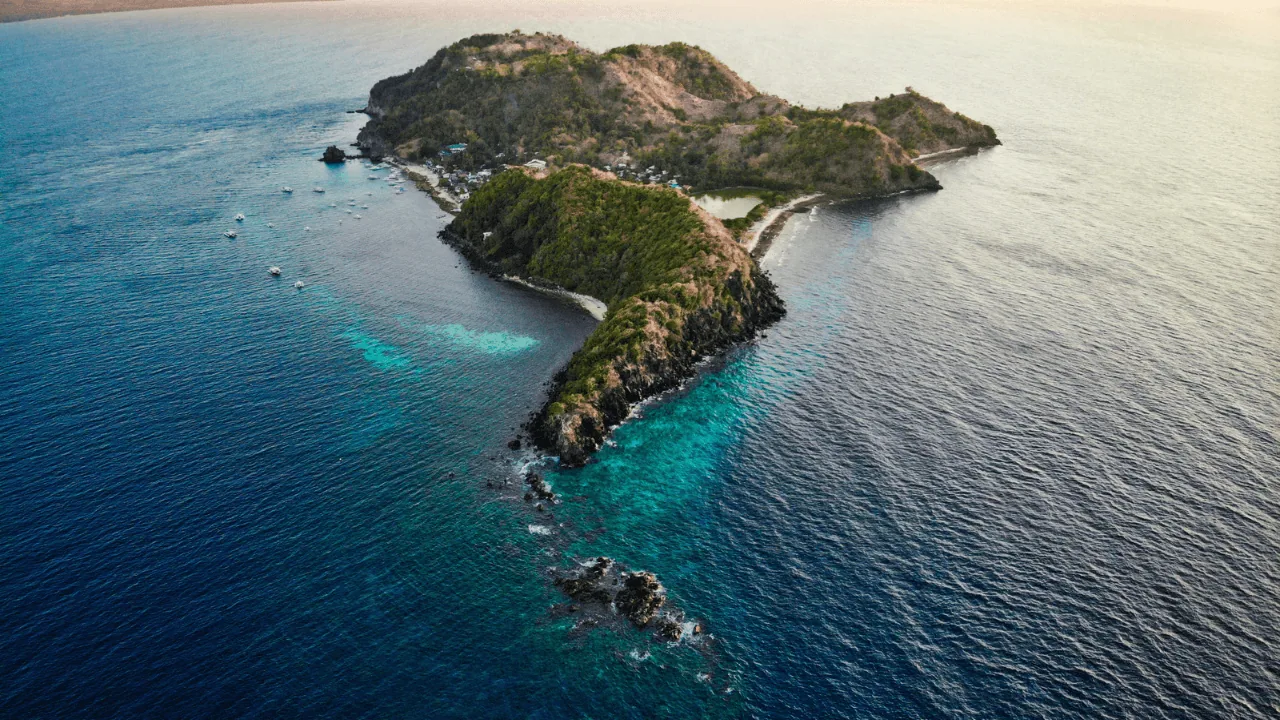
Forty-five minutes by banca from the black-sand beaches of Dauin, a small volcanic island rises out of the Bohol Sea. Apo Island is barely more than a hill wrapped in coral, home to a few hundred people, two schools of jacks that seem to own the place, and more sea turtles than many divers will see anywhere else in their lives.
Today it's one of the most famous dive sites in the Philippines. Forty-odd years ago it was a reef in trouble, and how that changed is one of the great conservation stories in the world.
A REEF RUNNING OUT OF FISH
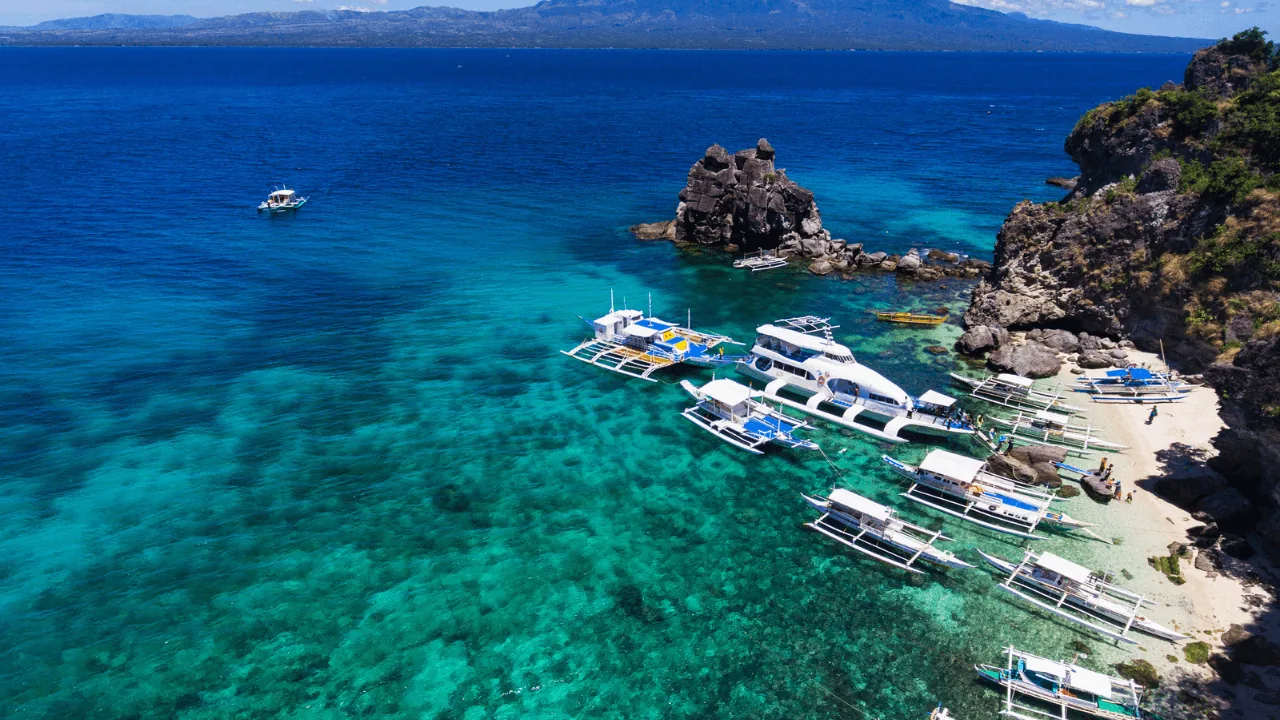
By the late 1970s, Apo's fishermen were working harder and catching less. The island's whole reef covers only about 100 hectares, and it was under pressure from every side. Outside boats came in to fish it, and destructive methods were common across the region: dynamite, cyanide, fine-mesh gill nets, and muro-ami, a drive-in net method where swimmers pound the coral with weighted lines to scare fish into the net. Every one of them left the reef poorer.
The people of Apo depended almost entirely on the sea. If the reef failed, so did the island.
SILLIMAN UNIVERSITY AND AN IDEA FROM SUMILON
Help came from across the water in Dumaguete. Scientists at Silliman University, led by the marine biologist Dr Angel Alcala, had been studying the island since the 1950s, and in the 1970s the university's Marine Laboratory started a conservation education campaign there.
Alcala's team had already seen something remarkable at Sumilon Island, off southern Cebu. There, a small no-take reserve, an area where no fishing was allowed, seemed to make fishing better on the reefs next to it. Protected fish grew bigger, bred more, and spilled out into the surrounding waters. The idea was simple but hard to sell: stop fishing in part of the reef, and the whole reef feeds you better.
On Apo, the proposal got a mixed welcome. Only a few families supported it at first, though the barangay captain, the village leader, backed it. The loudest opposition came from people who made money from muro-ami. Giving up fishing grounds, even a small slice, is a huge ask of a community that lives on fish.
1982: THE SANCTUARY IS BORN
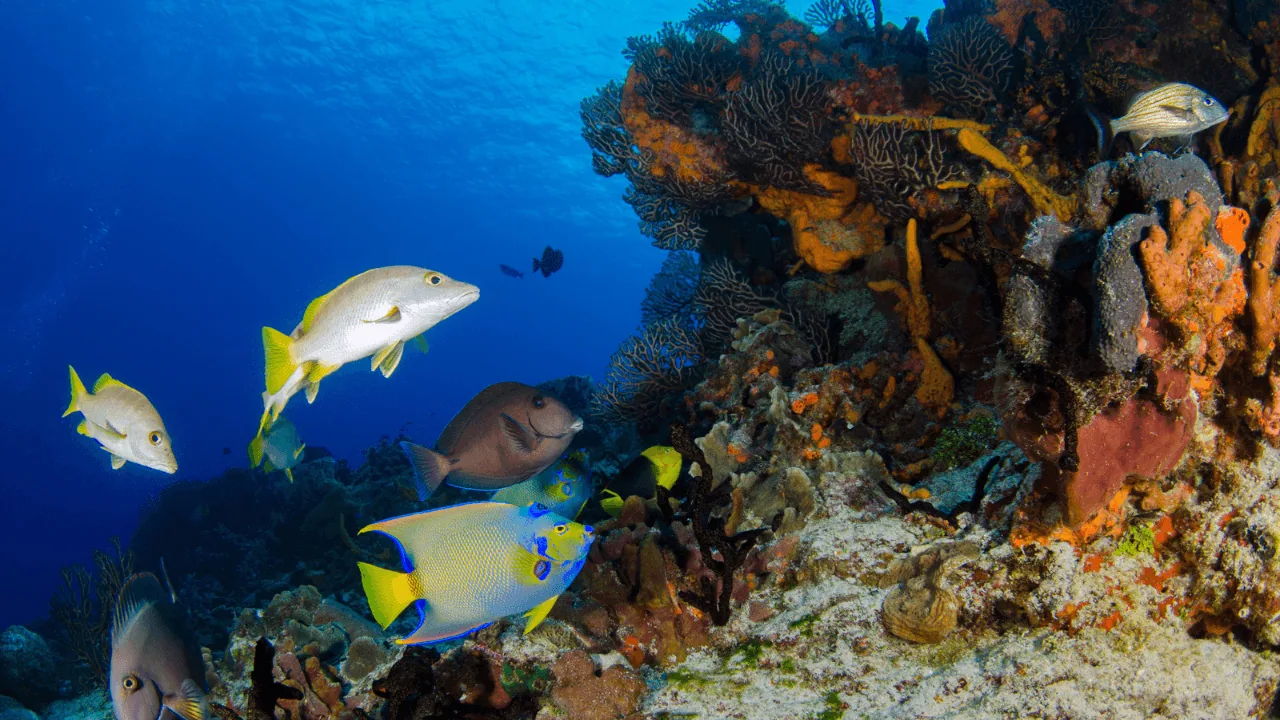
After a long series of meetings, the community, the municipality of Dauin, which Apo belongs to, and Silliman University reached an agreement. In 1982 a no-take sanctuary was set aside on the island's southwest side. It was a stretch of shoreline about 450 metres long, covering roughly a tenth of the reef.
What made Apo different was who looked after it. This wasn't a park imposed from Manila. Starting in 1984, with a grant from The Asia Foundation, Silliman sent social workers to live on the island as community organisers. Over about two years, they helped the islanders build their own management plan and form a Marine Management Committee of elected residents.
The rules came from the community itself:
- The whole reef: dynamite, cyanide, muro-ami, spearfishing with scuba and very fine gill nets were banned across the entire reef, out to 500 metres from shore.
- The sanctuary: no fishing, no collecting and no anchoring at all.
- Outside the sanctuary: traditional fishing with bamboo traps, hook and line, spears and regular gill nets was still allowed.
Islanders took turns guarding the reef and turned away outside boats. The Dauin municipal council made the sanctuary law with an ordinance on 3 November 1986, but by then the community had already been protecting it for four years.
THE PROOF IN THE WATER
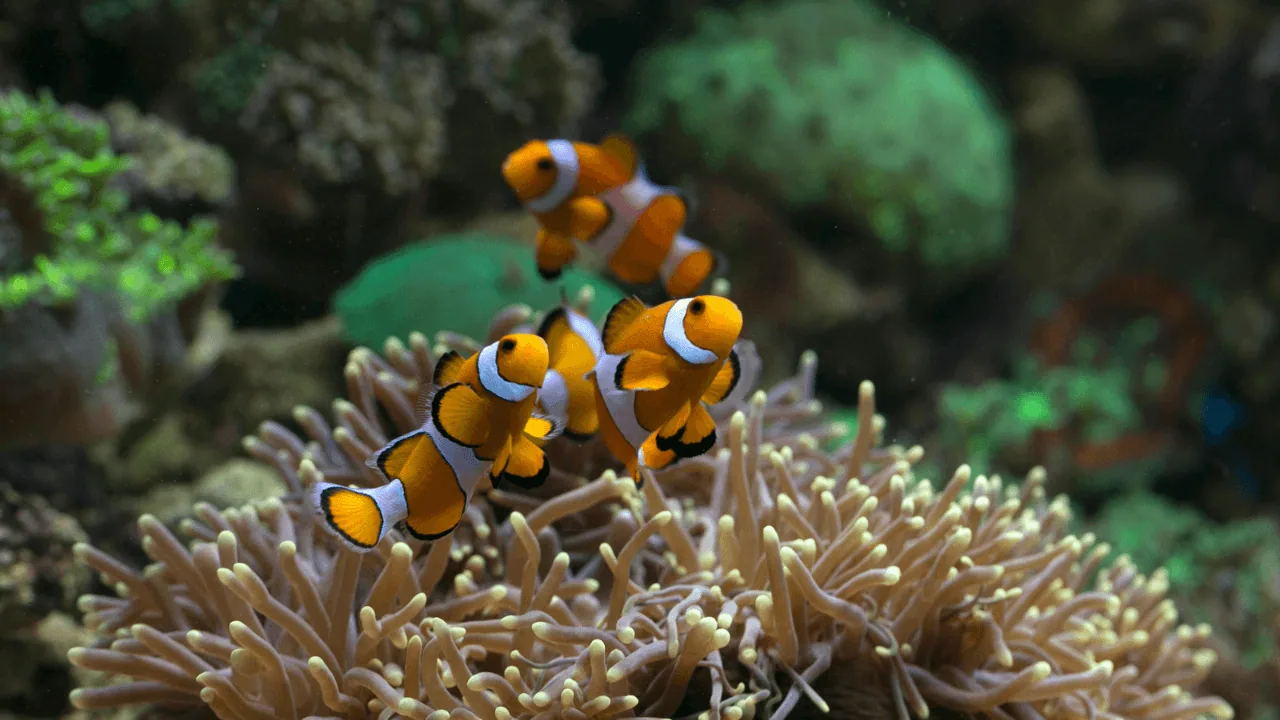
Silliman's scientists kept counting fish, and the results became textbook material. Big predators such as jacks, groupers and snappers built up inside the sanctuary over the years, and the reef outside benefited as fish moved across the boundary. Fishermen saw for themselves that the reserve wasn't taking food off their tables; it was putting more on them.
The work made Apo and Sumilon two of the most cited examples of marine reserves anywhere, and it helped shape community-based coastal management across the Philippines and beyond. Angel Alcala later won the Ramon Magsaysay Award, often called Asia's Nobel Prize, for his work.
FROM FISHING VILLAGE TO DIVE DESTINATION
Something else began to happen too. As the reef recovered, divers started to come. Healthy coral, big schools of fish and turtles that barely notice people turned Apo into a must-dive site for anyone visiting Negros.
In 1994, President Fidel Ramos declared the island and its waters the Apo Island Protected Landscape and Seascape. Management passed to a Protected Area Management Board (PAMB) under the national Department of Environment and Natural Resources, with community members still holding seats.
Visitors and divers now pay fees, and published figures put the reserve's income at around P10 million a year. Most of it goes back to the community and the rest to the national government. The change hasn't been entirely smooth. Islanders have complained about having less say over how the money is spent and about delays in getting their share. Still, the money gives them a direct reason to keep the reef healthy, and alongside fishing, many families now earn from tourism, guiding and hospitality.
DIVING APO TODAY
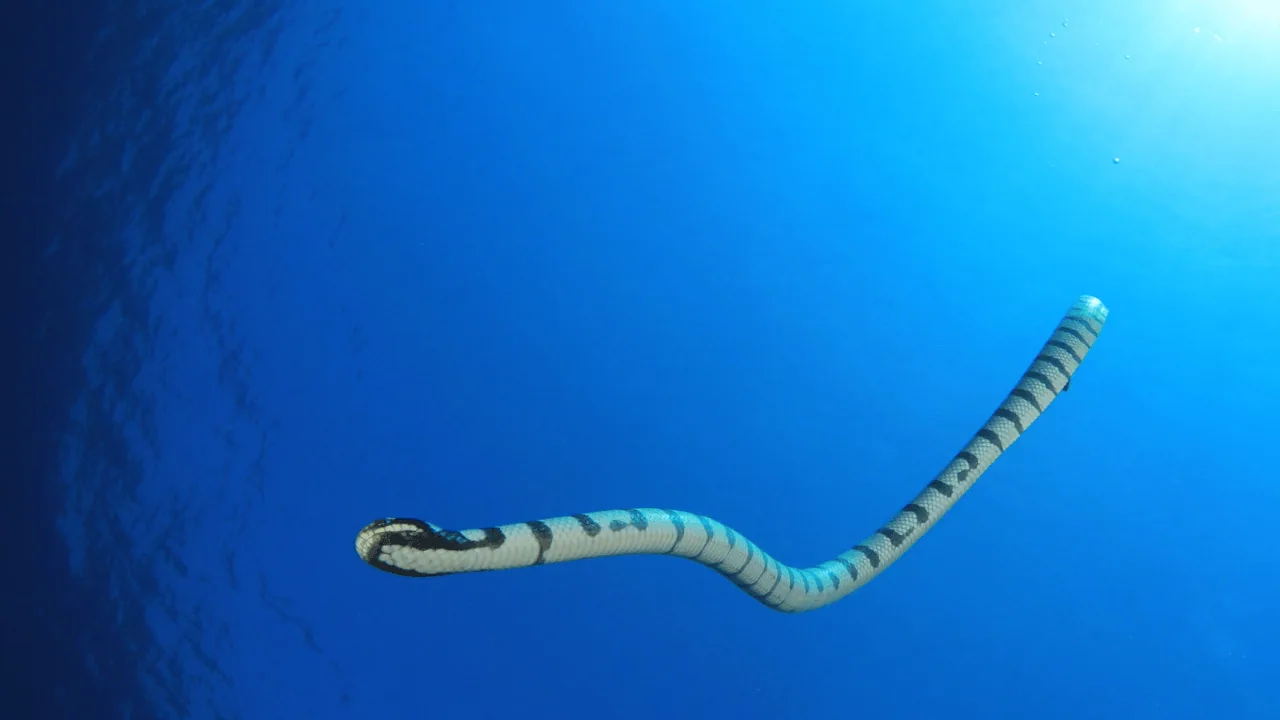
Apo has dive sites all around the island, from gentle coral gardens to currents strong enough to be ridden as drifts:
- Coconut Point: famous for fast currents, big schools of jacks and occasional big pelagics. It's best for experienced divers.
- Chapel: soft coral slopes and relaxed reef diving.
- Rock Point: a dramatic site with swim-throughs and great fish life.
- The sanctuary area: where green and hawksbill turtles graze in the shallows, often within arm's length.
Because the waters are protected, divers follow strict rules: no touching, no gloves on the reef, careful buoyancy and no collecting. Snorkellers mostly use designated areas, and boats tie up to moorings instead of dropping anchor.
Most divers visit on a day trip from Dauin or Dumaguete, often doing three dives on the island. Combined with Dauin's world-class muck diving, it makes southern Negros one of the most varied dive regions in the country: critters in the black sand in the morning, and turtles and jacks on a coral wall in the afternoon.
WHY APO STILL MATTERS
Apo's lesson is bigger than one island. It shows that conservation works best when the people who depend on a reef are the ones protecting it, and when they can see the benefits for themselves. Science gave Apo the idea, but the islanders made it work, night after night, guarding their own water.
The next time you drift past a turtle at Apo, remember that it's there because a small fishing community took a chance in 1982, and kept its promise.
Book your Apo Island trip from Dauin with Critter Republic Dive Resort or any of the other operators in Dauin, and explore the sites for yourself.